
We live in a time where social media has become more than just a communication tool—it is now a mirror for our inner world. With each swipe, like, and post, we participate in a space that can bring connection, but can just as easily intensify hidden tensions within ourselves. As we reflect on our experiences and observations, we notice a pattern: our unresolved emotions and unacknowledged conflicts find new ways to show themselves online. Here are ten ways we believe social media amplifies internal division and projection, reshaping not only how we see others, but also how we see ourselves.
The invisible split: division inside, conflict outside
It takes only a few minutes of scrolling before we see examples of fierce debates or personal attacks. Underneath these moments, there’s more than outward disagreement—there is an inner split brought to life in a digital arena. Our understanding is that we can only create online what already exists in us, and the structures of social media easily allow these inner conflicts to play out in public.
What we post is rarely just about others—it’s a reflection of our own unresolved emotions.
Let’s look at how this happens, step by step.
1. Rapid emotional contagion
Social media blurs boundaries, making us more likely to absorb the moods and judgments of others. We have observed how a single charged post can spark an emotional chain reaction. When we feel upset, insecure, or divided inside, this emotional state quickly finds new momentum online. The rapid pace of sharing and reacting means these emotional waves swell much faster than they would in real life.
- A negative comment can feel personal, even if it was never about us.
- We are more prone to respond impulsively when confronted with content that echoes our own insecurities.
Social media magnifies our emotional state, especially the aspects we try to ignore or hide.
2. Echo chambers and confirmation bias
Algorithms tend to filter content so we see ideas that match our current beliefs and ignore those that challenge us. We think this constant reinforcement deepens existing divides, both inside and out. In our experience, when our own uncertainty meets a steady stream of similar viewpoints, it feels as if the whole world agrees—making internal tension sharper when reality outside social media differs.
Agreement online can mask internal disagreement.
In these echo chambers, the chance for genuine integration or growth shrinks.
3. Projecting personal conflicts onto groups
We have seen how social media encourages people to identify with groups or causes as substitutes for unaddressed inner pain or conflict. If we feel misunderstood or criticized, we may align with communities that echo our pain, projecting our inner battles as collective struggles. This projection can intensify group conflicts, even if the root is personal.
Many of the broader social controversies we see reflect individual pain multiplied on a massive scale. To understand more about how this works, you can learn from articles about consciousness and how individual experiences ripple out into the wider world.
4. Disinhibition and reactive behavior
Online spaces make it easy to forget there is another human being on the other side of the screen. This lack of face-to-face feedback encourages us to act out strong emotions we might normally restrain. In our research, we see people declare opinions or judgments online that they would never say in person. The result is more defensive, sharp, and divisive interactions—mirroring internal reactivity we may not have even noticed before.
Online disinhibition unwraps layers of reactive behavior hidden by everyday etiquette.
5. Fragmented identity and performance
On social media, people often feel pressured to present an idealized image of themselves. In our view, this splits the inner world between the "online self" and the "real self." The gap between what we show and what we feel creates internal tension—and projection becomes the tool we use to mask or push away the parts of ourselves we are uncomfortable with. This performance loop also pressures others to keep up, spreading further division.

This theme connects closely to the quest for integration—it is hard to feel whole if we must divide ourselves for public approval.
6. Comparison and envy cycles
Seeing carefully crafted snapshots of other people’s lives triggers comparison, and we sometimes find ourselves feeling less than enough. These feelings can stir old wounds or self-doubt, fueling inner division. People project these emotions outward, sometimes through criticism or withdrawal.
Comparison online rarely leaves space for self-acceptance or internal peace.
7. Amplifying polarization through simplified narratives
We notice that complex issues are often boiled down into “us versus them” stories. Social media thrives on short, striking messages rather than open dialogue. In our experience, when we carry internal uncertainty, we are more attracted to clear divisions and side-taking. These simplified narratives deepen internal divides and make reconciliation with differing views much harder.
When the story is simple, the division is absolute.
8. Public validation reinforces private conflict
Online affirmation (likes, shares, positive comments) often rewards divisive statements more than balanced ones. We see that this feedback loop can bind unresolved emotion or pain to specific online behavior. The more our pain receives attention or validation, the more likely we are to repeat it as identity. This prevents integration and maturity, keeping us locked in cycles of projection.
Ideas presented on platforms related to relationships often explain that our online interactions are not separate from our emotional world—they feed each other.
9. Reduced empathy and dehumanization
It is easier to ignore, block, or judge people online than in person. We find that this online distance promotes seeing others as abstract “opponents” or caricatures. When we fail to listen to our own inner conflicts, it becomes much harder to foster genuine empathy for others—making projection and division even more likely.
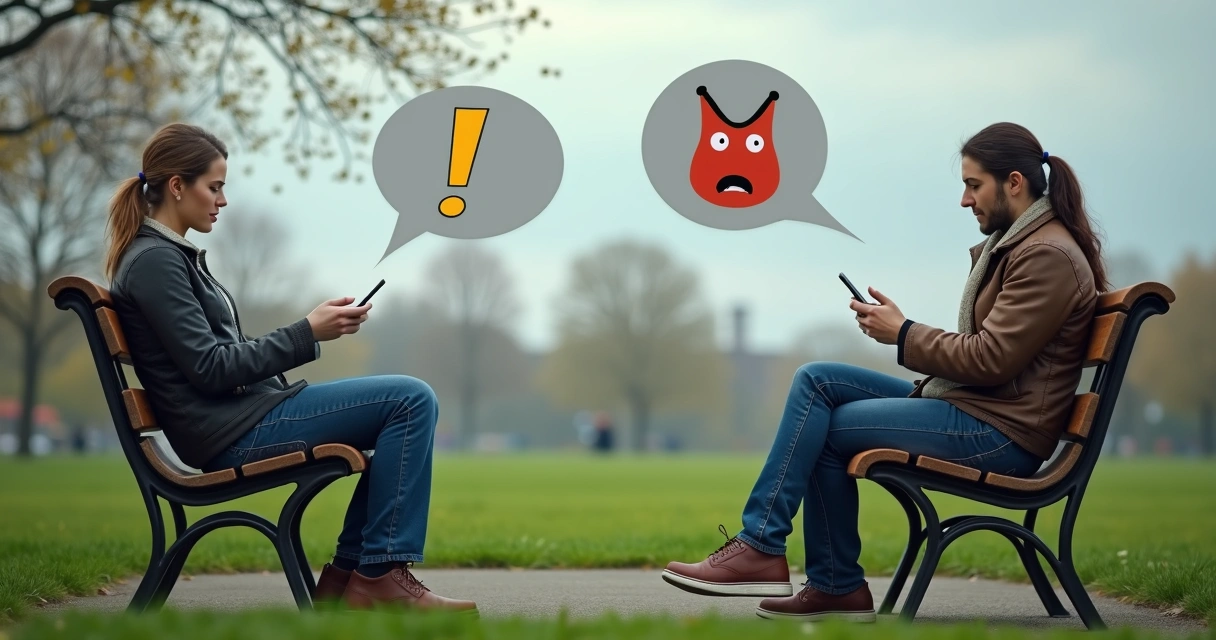
This less empathetic way of interacting makes it easy to distance ourselves from our own humanity.
10. Escalation of collective unrest
Unprocessed individual tensions find a stage on social media, where minor disagreements can become wide-scale arguments fast. What starts as one person’s projection quickly becomes a community’s tension. This cycle often turns personal division into public discord.
If you want to look back on previous themes like leadership and social dialogue, articles found in the leadership section provide further discussion on how online behavior shapes collective outcomes.
Bringing it together: why awareness matters
After seeing all these patterns, we realize the problem is not only the platform, but the internal state we bring to it. The more divided we are inside, the more likely we are to use social media to reinforce or act out those divisions. But where there is self-awareness and a willingness to reconcile, online spaces can become grounds for genuine connection and honest reflection.
In our experience, tools for searching and reflecting, such as search, help us move beyond the automatic play-out of inner patterns. When we see social media as a mirror for our conscious or unconscious self, we give ourselves the chance to question, integrate, and act more wisely.
Social media is not the root of frustration—it’s the amplifier.
Bringing reconciliation to our own inner world is the foundation for constructive communication, both online and off. If each of us works towards more internal integration, social media might shift from an arena of division into a place for shared understanding and growth.
Frequently asked questions
What is internal division on social media?
Internal division on social media is when unresolved feelings or beliefs inside us turn into conflict or confusion online. We might post things that reflect our uncertainty or take sides quickly because we feel divided within ourselves. This tension inside makes us more reactive in digital spaces.
How does social media amplify projection?
Social media gives us an immediate outlet for our unspoken fears, frustrations, or pain. Instead of dealing with these feelings privately, we may project them onto others online. That means we transfer our emotions onto someone else, blaming or criticizing in a public way. The fast, wide reach of social media makes it easy for projection to spread and influence many people.
What are common signs of online division?
Common signs include heated arguments in comments, posts that exaggerate differences, and users forming tight groups with similar beliefs while rejecting others. We also see personal attacks and a lack of real listening—all showing that inner division is playing out between people.
How to reduce division on social media?
We can reduce division by being more aware of our own feelings before we post or react online. Before responding, we try to notice what emotions we are feeling. It helps to seek balanced information, ask honest questions, and interact with empathy. Personal reflection and self-regulation often cool down potential division before it spreads.
Is it worth avoiding social media debates?
It can be helpful to step back from debates that trigger strong emotions or reinforce division. Not every discussion leads to growth. On the other hand, when handled thoughtfully, some debates encourage learning and understanding. We suggest checking our own intentions and emotional state before engaging. If peace and learning are more likely than conflict, joining can be worthwhile.