
Self-regulation skills shape the quality of our daily actions, relationships, and internal sense of balance. Whether we notice it or not, these skills decide how we handle stress, adapt to new challenges, and stay present in our ever-changing emotional world. The journey to self-mastery is closely tied to how well we develop and practice these abilities.
What does self-regulation really mean?
Self-regulation is the ability to notice, manage, and adjust our emotions, thoughts, and actions in a way that supports our values and goals. It is more than willpower or self-control. Self-regulation involves a flexible and ongoing process of observing what we feel, accepting those feelings, and making conscious choices instead of being driven by impulses.
Imagine you are in a tense meeting at work. You notice irritation rising inside. Instead of snapping, you take a slow breath, pause, and choose to respond thoughtfully— or even decide to wait and speak later. This is self-regulation in real life, and we practice it countless times each day.
Key elements of self-regulation
We usually think of self-regulation as simply "controlling ourselves." But our work and research have shown us there are several layers:
- Self-awareness: Recognizing our emotional and mental states as they arise.
- Emotional regulation: Soothing, expressing, or channeling emotions instead of suppressing or exploding.
- Impulse control: Delaying our reactions when impulses arise, giving space for better choices.
- Goal orientation: Remembering what matters most, even under stress or distraction.
- Self-reflection: Learning from our choices and adjusting patterns over time.
Each day provides small and large opportunities to practice these skills. The more we use them with intention, the more natural they become.
What disrupts self-regulation?
We all have days when self-regulation feels difficult or almost impossible. Our inner critics might judge us. Old emotional wounds show up. Perhaps our bodies are tired or stressed. In our view, three main challenges can weaken self-regulation skills:
- High stress and unmet needs: When our bodies and minds are on edge, it is harder to pause and reflect.
- Unresolved emotions: Hidden anger, shame, or grief often drive reactions unconsciously.
- Rigid beliefs and stories: Patterns from childhood or past experiences may keep us stuck in familiar reactions.
It can be eye-opening to realize when these difficulties are at play. With practice, we become more skillful at catching these signals early.
How do we build self-regulation?
Building self-regulation is not about forcing yourself to be calm or perfect. We see it as a gentle unfolding— a returning, again and again, to self-awareness and intention. These are some ways we support the growth of self-regulation skills:
1. Practicing mindfulness
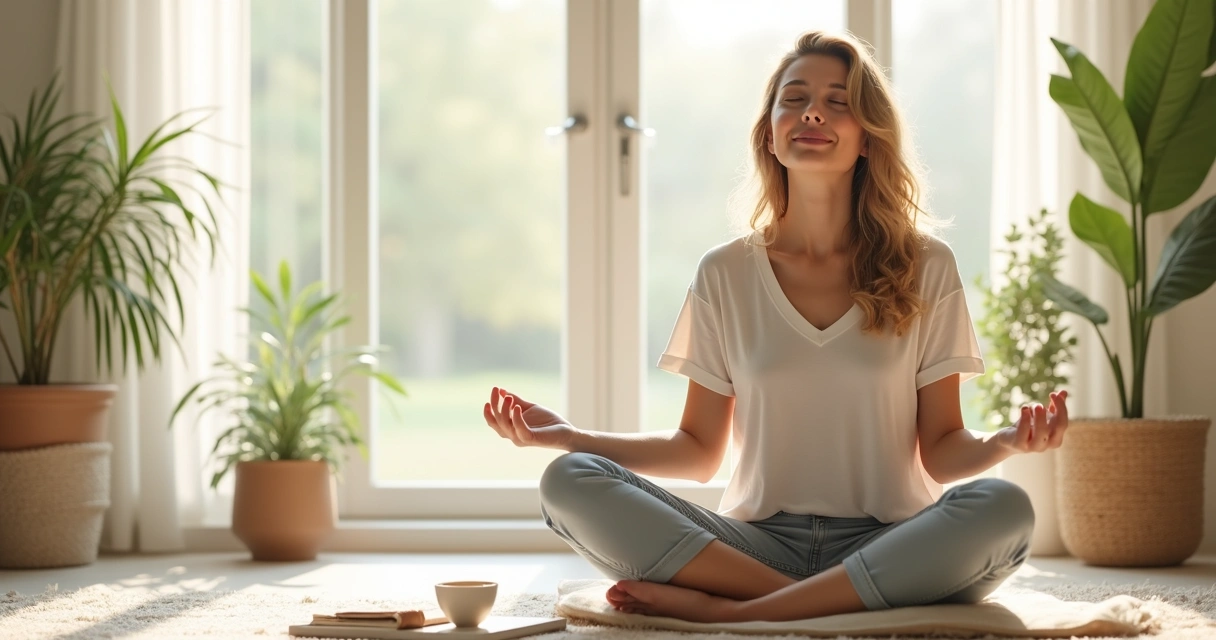
Slowing down, paying attention to breath, and becoming aware of sensations in our body can change how we respond. Short moments of mindfulness, practiced often, help build a deeper sense of inner space.
2. Naming and accepting emotions
Putting words to what we feel opens a space between stimulus and response. When we say, "I feel anxious right now," we no longer become the anxiety. We become someone experiencing it, but not controlled by it. Acceptance helps us stay present without judgment.
3. Developing soothing strategies
What helps your body and mind settle? Some people use deep breathing, others journal, take a walk, or listen to music. Over time, these tools become reliable ways to return to calm.
4. Setting intentions and boundaries
When our values are clear, and we know our limits, it is easier to make choices from the inside out. Setting boundaries protects our energy and invites healthier relationships.
5. Reflecting and learning
After a difficult moment, taking time to reflect can be transformative. Self-reflection turns mistakes into learning, one small insight at a time. Over weeks and months, this shapes our character and confidence.

We have found that integrating some of these practices into daily life can bring growth at both personal and professional levels. If you are curious to learn more about concepts like self-awareness or integration, you can explore additional resources in the consciousness and integration categories.
How self-regulation affects daily life
We all know the feeling of regret after sending a text in anger or making a rushed choice under pressure. These are everyday events, and they highlight how self-regulation (or the lack of it) can change our relationships and decisions. In work settings, leaders and teams thrive when self-regulation is strong— conversations are more respectful, decisions more thoughtful. At home, self-regulation creates space for warmth and understanding, even when things are tense.
"Self-regulation is what allows us to respond, not just react."
From experience, small improvements in self-regulation often bring positive changes in mental health, physical well-being, and even how we build community. When we are better able to soothe ourselves, we move through life with less fear and more curiosity.
Benefits of strengthening self-regulation skills
Why focus on these abilities? Beyond helping us avoid mistakes, strong self-regulation fosters qualities we might all appreciate:
- More stable moods and fewer emotional outbursts
- Increased resilience during setbacks or crisis
- Better relationships due to consistent and respectful communication
- Improved ability to adapt to change
- Long-term satisfaction by acting from our deeper values
These are not distant ideals. We see these qualities grow with practice, often starting with the simple act of noticing our breath, pausing before speaking, or writing a few honest lines in a journal. Meditation and related tools can also offer ongoing support, as described in our meditation section.
Where to deepen your practice
Self-regulation is never a finished skill. Kindness to ourselves, learning from others, and curiosity about our own patterns all help. There are many guided resources, courses, and communities focused on emotional growth, leadership, and conscious living. Our leadership category holds articles about using self-regulation at work and in teams, while our search page can help you find more specific topics.
Conclusion
Self-regulation skills are not about becoming emotionless or cold. They are about staying connected to ourselves and others, even when life gets messy or overwhelming. By noticing, accepting, and working with our feelings and reactions, we build the foundation for a more thoughtful, loving, and empowered life. Every moment is a new chance to practice— one pause, one breath, one honest word at a time.
Frequently asked questions
What are self-regulation skills?
Self-regulation skills are the set of abilities that help us notice, manage, and adjust our emotions, thoughts, and behaviors as situations change. These skills include self-awareness, emotional control, impulse management, and learning from our own patterns.
Why are self-regulation skills important?
Self-regulation skills support healthier relationships, clearer thinking, and better decision-making. People with strong self-regulation handle stress and setbacks with more calm, and are less likely to be reactive or make choices they later regret.
How can I improve self-regulation skills?
We suggest starting with small steps, such as practicing mindfulness, taking slow breaths when emotions rise, naming feelings, and reflecting after difficult moments. Over time, using these strategies consistently helps strengthen your self-regulation abilities.
What causes poor self-regulation?
High stress, unresolved emotional pain, unmet basic needs, and rigid beliefs can all make self-regulation harder. Sometimes, patterns from childhood or previous experiences also shape how we respond when we feel challenged or overwhelmed.
What are examples of self-regulation techniques?
Some examples of self-regulation techniques include pausing to take deep breaths, using mindfulness to notice thoughts and feelings without judgment, journaling about emotions, setting boundaries, and practicing regular self-reflection after challenging situations.