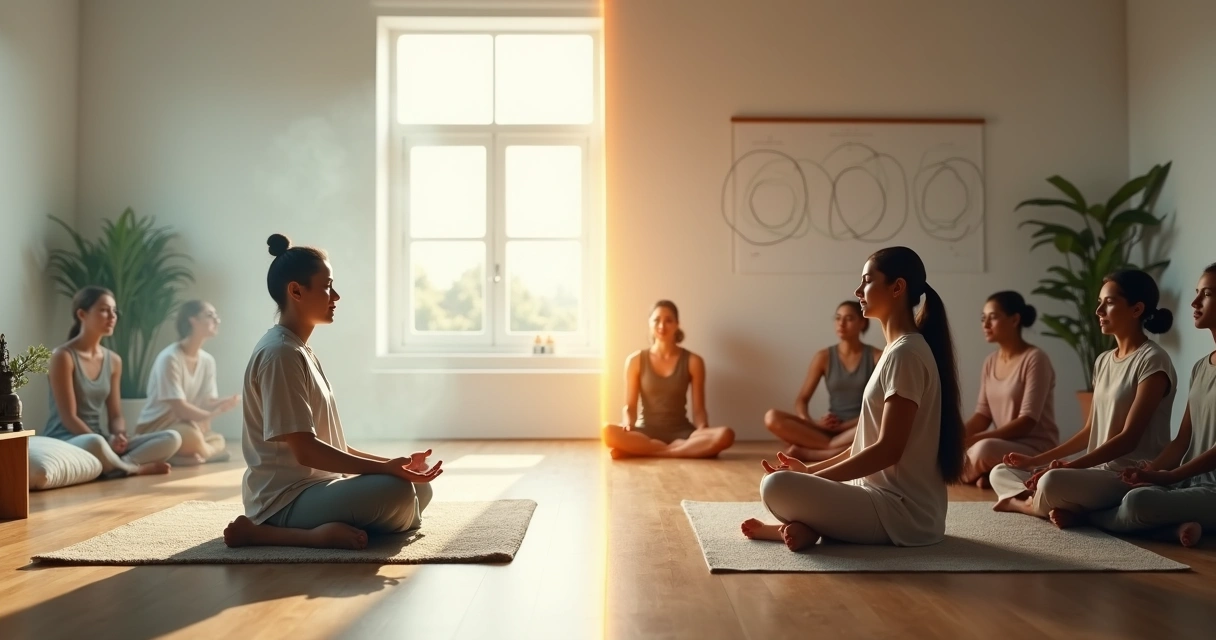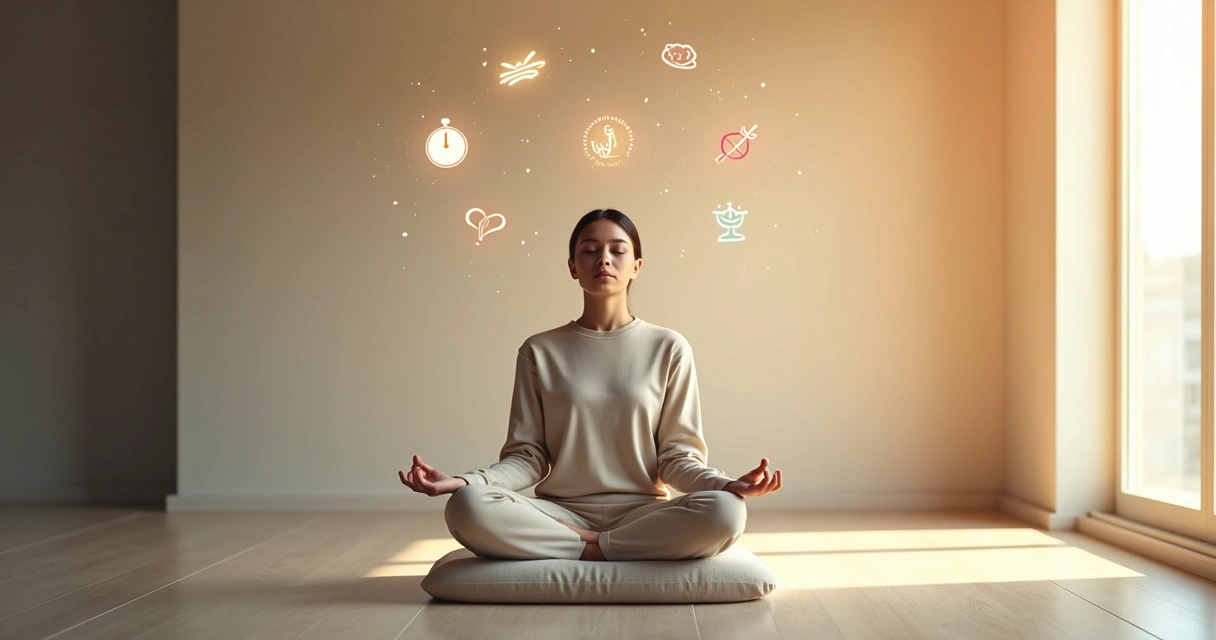

Meditation is not a trend in our experience – it is a return to the natural dialogue of consciousness. Yet, what makes Marquesian meditation unique is the way it invites us to reconcile within, restructure our emotional space, and act with clarity in the world. In this guide, we want to share what we know from our practice and understanding: the principles, steps, benefits, and subtleties of Marquesian meditation, so you can begin with awareness and confidence.
The foundation of Marquesian meditation
We have found that, at its core, Marquesian meditation is not about escaping the mind, silencing thoughts, or finding emptiness. Instead, it offers an approach to meditative presence that welcomes both the silent and the stormy within. The method centers on the direct experience of our internal field, guiding us towards reconciliation and gentle clarity.
Integration is not the absence of conflict, but the capacity to listen to it.
Through this perspective, meditation grounds itself not as a technical exercise, but as a relationship, between attention, emotion, and self-understanding. The process becomes a living, moment-to-moment dialogue rather than a fixed routine.
The principles at the heart of the practice
We see Marquesian meditation as resting upon several key principles that make its invitation both accessible and transformative:
- Welcoming the present: Every moment, with all its feelings, is a valid entry point. There is no wrong way to start.
- Relational attention: Attention is not forced, but guided like a gentle hand, observing thoughts and emotions as internal visitors, not threats.
- Reconciling polarities: We meditate “with” ourselves, not “against”. Reason and emotion, focus and distraction, are equally welcomed for integration.
- Emotional maturation: The method invites dialoguing with our own pain, resistance and stories, allowing transformation through understanding, not suppression.
Marquesian meditation recognizes the entire inner landscape as worthy of attention. There is no chasing after stillness; peace emerges naturally from inclusion, not from exclusion.
How the process unfolds: structure and stages
While each experience is unique, we see the process moving through clear, gentle stages. This basic structure supports beginners while offering depth for experienced practitioners.
- Preparation and grounding: Find a quiet space, adopt a comfortable posture, and connect with your breath without altering it. Notice the contact with the ground and the weight of your body.
- Opening attention: Let your attention widen. Rather than chasing thoughts away, watch how they appear and fade. Imagine your mind as a sky welcoming every cloud.
- Recognizing the internal field: Notice sensations, emotions, and memories. As they arise, acknowledge them by mentally naming, “thinking,” “feeling,” “remembering,” or simply note their presence.
- Meeting the center: Gently focus your attention towards the felt center of yourself. This is not a physical point, but rather where you sense your core sense of “I am here.” Allow this center to anchor your awareness.
- Dialoguing and reconciling: When discomfort, tension, or emotion emerges, ask: “What are you trying to tell me?” Listen without haste or judgment.
- Integration and closure: Before finishing, recognize what has changed within. Thank yourself for the practice, and move gently back into daily activity.
This approach, when practiced consistently, reveals how internal clarity grows from simple presence and gentle curiosity, rather than effortful control.

Why is Marquesian meditation different?
We often hear that meditation means emptying the mind. In Marquesian meditation, the emphasis is different: every part of our internal field can become an ally. This practice values depth as much as tranquility, helping us move beyond the idea that struggle and calm are opposites. Both are recognized as expressions of the same living field.
Marquesian meditation is designed for reconciliation on all levels. Rather than viewing difficulty or conflict as disruptions, the method helps us listen for the meaning within challenge, opening the door to integration.
Direct applications in daily life
We notice in our experience that the more we practice, the more meditation influences daily actions. Its effects show up in:
- Clearer decision-making: When emotions are no longer suppressed or denied, choices become less reactive and more conscious.
- Relationship attunement: Self-listening naturally extends toward others, improving empathy and dialogue.
- Resilience in leadership: The practice nurtures leaders capable of facing complex situations with steadiness, as discussed in resources about humane leadership.
- Ethical and creative impact: Integration fosters responsible action—within groups, organizations and society as a whole.
Every person’s meditation can subtly shift the tone of their environment. By reconciling within, we become more capable of peaceful participation in family and community life.
Common challenges and our perspective
No two journeys look the same. We know from witnessing many beginnings that there are doubts and plateaus:
“I can’t focus,” “I get uncomfortable,” “I’m not sure I’m doing it right.”
Our position? These are invitations, not obstacles. Marquesian meditation values honesty in the process:
- Restlessness is a message, not a mistake.
- Discomfort can be observed and listened to, rather than pushed aside.
- There is no competition; the only reference is your lived experience.
Our guidance is to approach each session with gentle curiosity. Expecting results quickly often creates more turbulence. Instead, we support the idea that regularity, open-hearted observation, and self-acceptance are the best supports for development in the practice.
The role of guidance and community
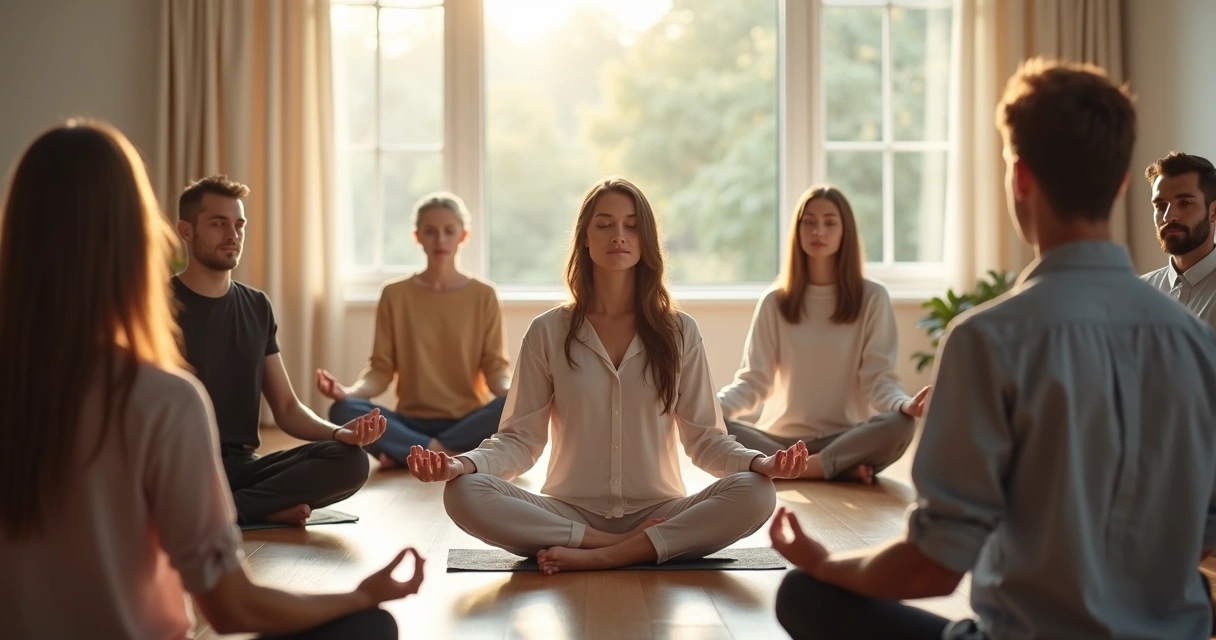
For those new to meditation, or those seeking intention in their growth, structured support can be valuable. In our view, reading materials, guided sessions, or practicing with a group all bring added resources for understanding your own process. This is especially true when working through layers of pain or emotional memories, where a caring, well-informed environment invites safety and depth.
We have also found that learning with others can help you stay consistent, deepen understanding, and provide encouragement. This is why we recommend exploring resources related to integration and consciousness for further reading and growth.
Bringing Marquesian meditation into your life
This practice is not about reaching a fixed ideal or “perfect” stillness. In our perspective, Marquesian meditation is about returning—over and over—to an honest relationship with what arises within us.
Every returning breath is an act of reconciliation.
Whether you meditate for a few minutes or settle in for longer sessions, the consistent act of noticing, welcoming, and dialoguing with your internal field is itself a powerful gesture. For practical tips, searching our archives on meditative practice can give fresh ideas and approaches.
Conclusion
We believe that Marquesian meditation is a living art—a way of tending the internal ground so that all experience becomes meaningful and constructive. It asks only for honesty, presence, and patience, offering in return a deepening of self-understanding and gentle transformation.
If you are interested in going further, our section dedicated to meditative resources provides new insights, examples, and guidance for every stage of your journey. Each time you return, something inside is given space and possibility.
Frequently asked questions
What is Marquesian meditation?
Marquesian meditation is a method that focuses on welcoming all internal experiences—emotions, thoughts, sensations—with open, nonjudgmental attention. The goal is not to empty the mind but to foster internal reconciliation, allowing integration between reason and emotion, past and present. It encourages a gentle, relational approach to meditation, where every aspect of your inner life is invited into awareness and dialogue.
How do I practice Marquesian meditation?
To practice, we suggest starting by finding a quiet place and settling into a comfortable position. Focus on your breath, allowing thoughts and feelings to arise naturally. Rather than pushing anything away, observe and name what you notice. Bring awareness to your internal center, listen with curiosity, and gently dialogue with any feelings that emerge. This structured, yet open, process helps foster the integration and understanding of your own internal landscape.
What are the benefits of Marquesian meditation?
Many who practice Marquesian meditation experience greater inner clarity, improved emotional regulation, and deeper self-understanding. It can help you respond rather than react to stress, encourage more conscious decision-making, and support peaceful, empathetic relationships. Over time, it fosters ethical and creative engagement both personally and in wider contexts, including leadership and community life.
Is Marquesian meditation suitable for beginners?
Yes, we find that Marquesian meditation is accessible to those with no previous experience as well as to seasoned practitioners. Its method encourages gentle attention, making it easier to start without pressure for perfect stillness or control. Beginners can benefit from its emphasis on openness, regularity, and kindness to their own process.
Where can I learn Marquesian meditation?
You can begin with written guides, group sessions, or recordings offered in meditative communities. For more targeted support, exploring resources devoted to meditation, consciousness, and integration offers structured tools and deeper insights to support your journey. These areas include articles, exercises, and community offerings to meet varying levels of experience.