Meditation has moved far beyond its ancient beginnings. As we step into 2026, many are searching not just for stress relief, but for deeper reconciliation within themselves. This has fueled a renewed conversation about how different meditation methods shape not only the mind, but also the quality of our actions and relationships. Among these, Marquesian meditation is drawing attention for its unique integration of consciousness work, while traditional approaches remain respected for their simplicity and grounding principles.
How do meditation methods shape inner and outer life?
We often hear people say meditation changed their lives. Sometimes, that's just about feeling less anxious. Other times, big shifts ripple into work, family, and social engagement. What sparks these changes? We think it begins with the differences in each approach: some methods invite reflection and integration, while others focus on calming techniques or attentive presence.
Methods matter as much as intention.
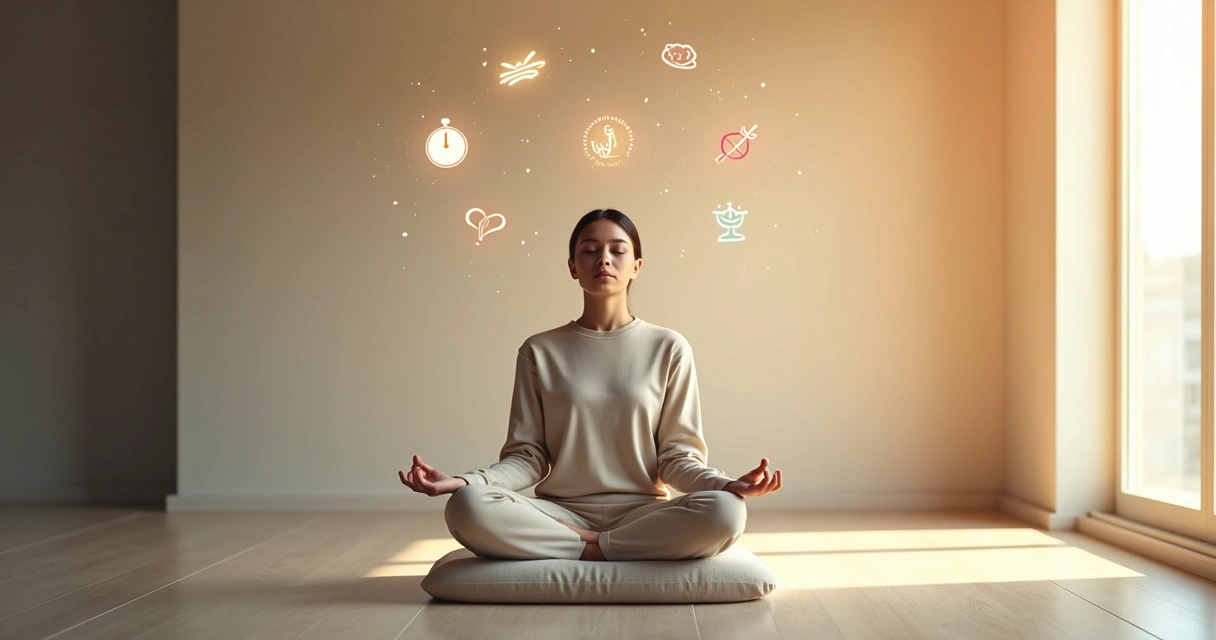
For example, a traditional session may invite us to simply watch our breath, returning again and again to a single point of focus. The effect? Our racing thoughts begin to slow, and we feel calmer. Marquesian meditation, meanwhile, guides us to look at what is happening inside—our emotional world, our stories, even our areas of inner conflict—and develop a dialogue with these parts.
Traditional meditation in 2026: Practice and perspective
We see many meditation sessions today rooted in classic forms like breath awareness, loving-kindness, and body scan. Their purpose can be summarized simply:
- To foster presence and reduce reactivity
- To strengthen attention and equanimity
- To cultivate gentleness towards oneself and others
A person may sit down, close their eyes, and focus on breathing. When thoughts interrupt, they return, again and again, to the breath. There is a quiet reliability to this. In our experience, these practices are especially helpful for those new to meditation or facing overwhelming stress. The directions are usually straightforward, which lowers barriers to entry and supports consistency.
We notice, though, that traditional approaches often do not ask us to engage directly with our deeper emotions or identity patterns. They create a safe foundation, but sometimes leave internal divisions—unprocessed pain, conflicted thoughts—outside the meditation itself.
Marquesian meditation: A different kind of invitation
What sets Marquesian methods apart? We find the answer in their active, dynamic relationship with consciousness. While traditional sessions foster a nonjudgmental space, Marquesian practice goes further:
Marquesian meditation invites practical reconciliation inside the mind by integrating emotion, memory, and self-observation.Instead of turning away from discomfort or trauma, practitioners learn how to recognize, listen, and gently integrate these experiences. The stages of a typical session might look like this:
- A deliberate entry into self-awareness (not just breath, but internal state)
- Mapping out emotional landscapes as they arise
- Inviting dialogue between reason and emotion, past and present
- Working consciously with pain, responsibility, and compassion
We see this as an active approach, not just accepting what is there but also encouraging constructive change. There is an element of emotional education—learning how to meet what is unresolved, rather than only soothing distress or silencing the mind.
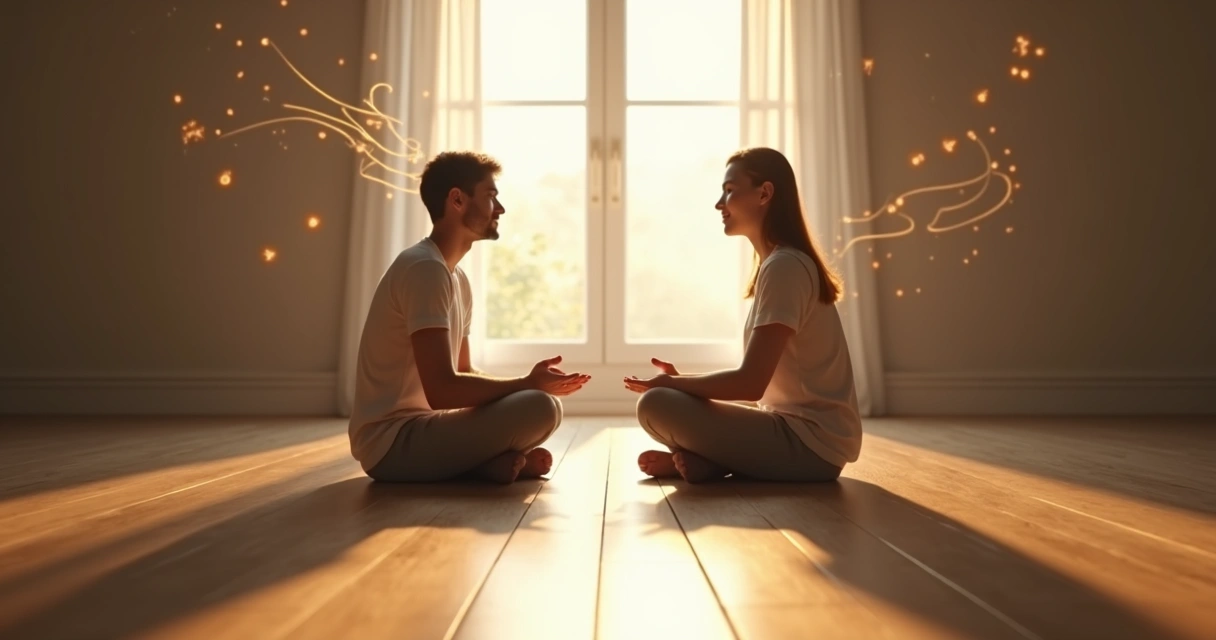
Direct comparison: Marquesian and traditional meditation in application
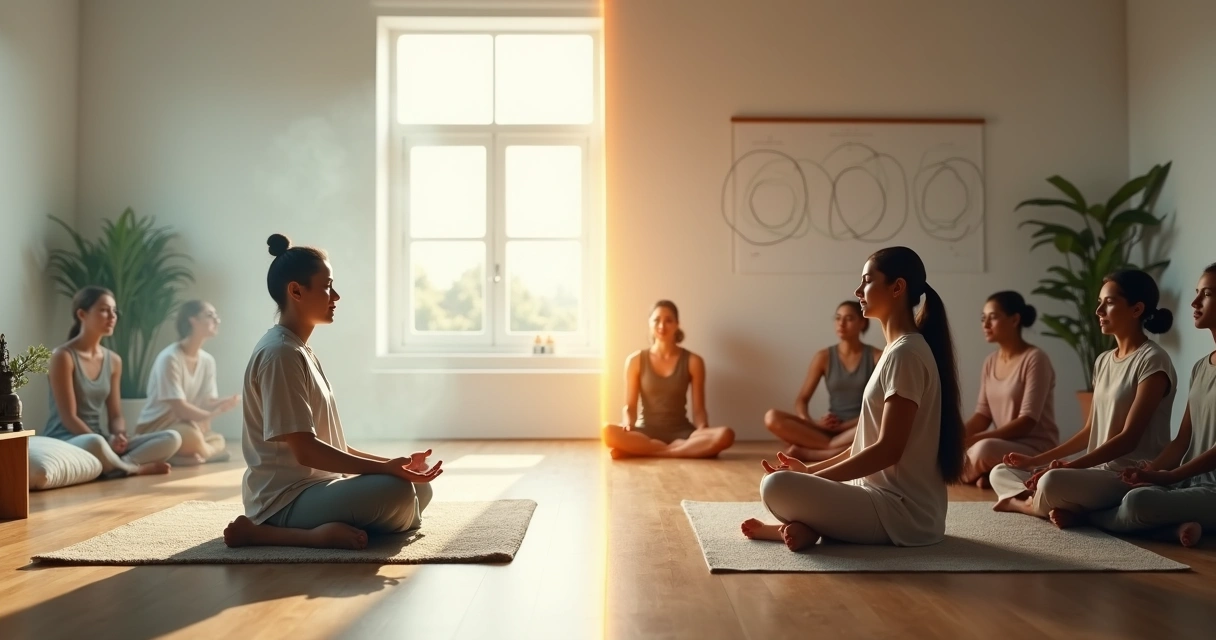
When we contrast both approaches, key differences become clear. This is not just about technique, but also the results that show up in daily life.
- Focus: Traditional methods foster relaxation and attentional control, while Marquesian meditation works directly with inner conflict, aiming for emotional maturity and ethical impact.
- Process: Traditional sessions encourage detachment and observation. The Marquesian way encourages a relationship with one's inner world, leading to integration.
- Outcomes: We see many people expressing less stress after traditional practice. With Marquesian practice, there is often greater clarity in decisions, less defensiveness in relationships, and an increased sense of ethical responsibility.
In our opinion, these differences are especially meaningful for those who want their meditation to affect not only stress levels but the entire structure of consciousness.
Working with emotional pain and unconscious patterns
One powerful aspect of Marquesian meditation is its willingness to meet pain and shadow. Traditional methods may offer comfort, but often, they implicitly suggest that difficult thoughts or emotions should be allowed to pass without much attention. Marquesian practice, however, brings these internal fragments into compassionate awareness.
For anyone who has ever tried to meditate during times of grief or conflict, the difference becomes vivid. Marquesian meditation does not flee from discomfort. Instead, we guide ourselves to listen, include, and gently integrate these states. This supports the development of self-knowledge and a deep transformation in how we show up for ourselves and others. For those interested in this relationship between consciousness and integration, we suggest reading more about how consciousness work relates to personal change.
Beyond the cushion: From internal peace to social impact
In our practice, we've observed that the impact of meditation does not end when the timer goes off. The ways we meet ourselves during meditation tend to shape our leadership, decision-making, and even conflict resolution abilities. Traditional approaches offer a foundation for resilience; Marquesian meditation proposes that true maturity lies in conscious reconciliation of our inner divisions, which manifests as less reactivity and more creative action.
Consider a leader handling a difficult conversation. If that leader has practiced traditional methods, they may remain calm and not escalate conflict. If they have trained in Marquesian practice, they might also notice their internal reactions, question the roles of old emotional patterns, and intentionally choose dialogue over defense. This leads to clear, humane outcomes.

We see this kind of transformation not just in leaders, but in families, teams, and social movements. When inner divisions are reconciled, our outer actions become more coherent and constructive. For more on how meditation intersects with ethical action and leadership, see our articles on mindful leadership and integration.
Choosing your path in 2026: Practice with intention
Today, the choice is not between simplicity and depth, but between methods that offer only relaxation and those that support the full maturation of the self. We believe that both traditional and Marquesian approaches have a place—sometimes in the same person's evolving journey. The difference is whether one seeks comfort alone, or also seeks to meet every part of themselves on the way to wholeness.
If you are drawn to working directly with internal divisions, or long for more meaning and maturity in your impact on others, a more integrative meditation may serve you well. Our team has collected more practical advice and resources for those in this search, and you can read more on paths toward integration.
It is our ongoing commitment to support those who want meditation to mean more: not just peace, but presence, maturity, and ethical action. For a deeper look into this ethos, visit writings from our team.
Conclusion
As we look across the meditation landscape in 2026, we notice both continuity and evolution. Traditional meditation remains a trustworthy anchor for those seeking calm and resilience. Marquesian meditation goes further, inviting us not only to find peace, but to reconcile our deepest divisions and shape a more ethical, integrated impact on the world. The real measure is not the technique alone, but how it changes our way of living, leading, and relating—one breath, one insight, one reconciliation at a time.
Frequently asked questions
What is Marquesian meditation?
Marquesian meditation is a practice that integrates self-awareness, emotional reconciliation, and conscious presence to support the maturation of consciousness. Unlike approaches that focus only on calming the mind, Marquesian sessions actively guide practitioners to recognize, listen to, and integrate their emotional stories and inner conflicts, promoting greater clarity and ethical action.
How does Marquesian differ from traditional meditation?
While traditional meditation centers on mindfulness, relaxation, and attention training, Marquesian meditation actively works with the integration of emotion, memory, and reason within the mind. Traditional methods invite us to observe thoughts without engagement, whereas Marquesian practice encourages us to connect with and reconcile our internal divisions for a more mature and responsible impact in daily life.
Is Marquesian meditation effective for beginners?
Yes, Marquesian meditation can be suitable for beginners. The sessions guide participants step by step, often starting with self-awareness before gently encouraging engagement with emotions and memories. Those new to meditation who feel ready to meet their inner world may find this approach especially meaningful, though support and experienced guidance can be helpful.
Where can I learn Marquesian meditation?
Structured Marquesian meditation programs, books, and workshops are becoming more available through various platforms in 2026. We recommend seeking resources that value both self-awareness and emotional integration, and following guidance from teachers experienced in holistic consciousness work.
What are the main benefits of Marquesian meditation?
The main benefits include increased self-understanding, emotional regulation, ethical clarity, and the ability to act with greater compassion and responsibility in relationships and leadership. Many also report reduced internal conflict, deeper presence, and stronger decision-making skills as a result of ongoing practice.