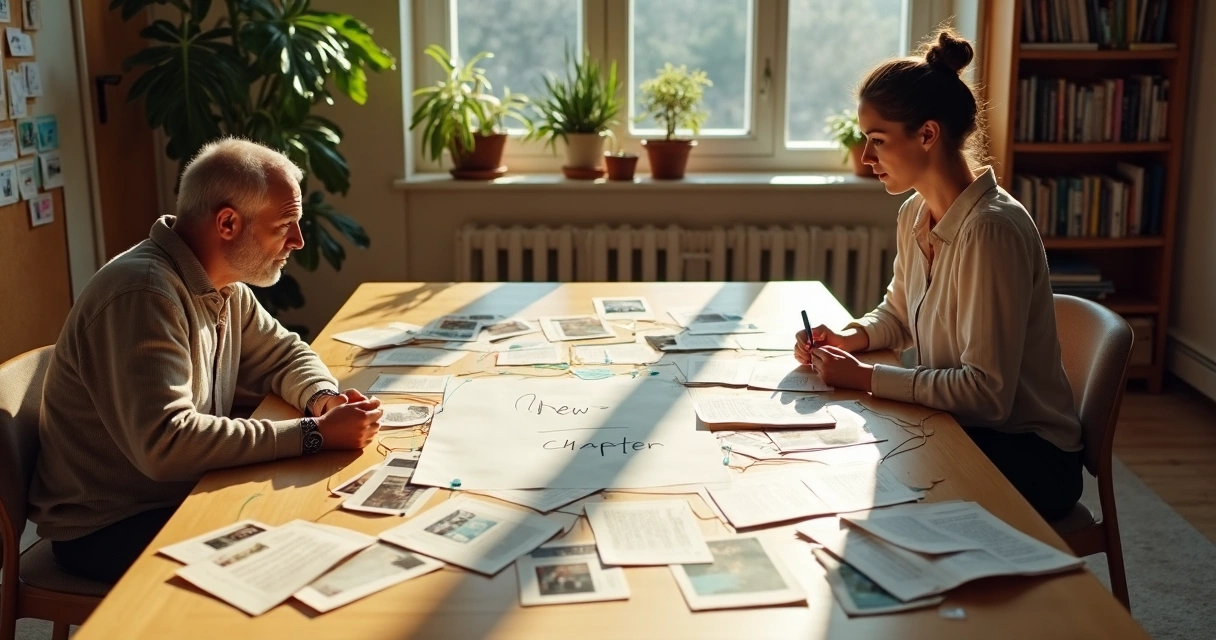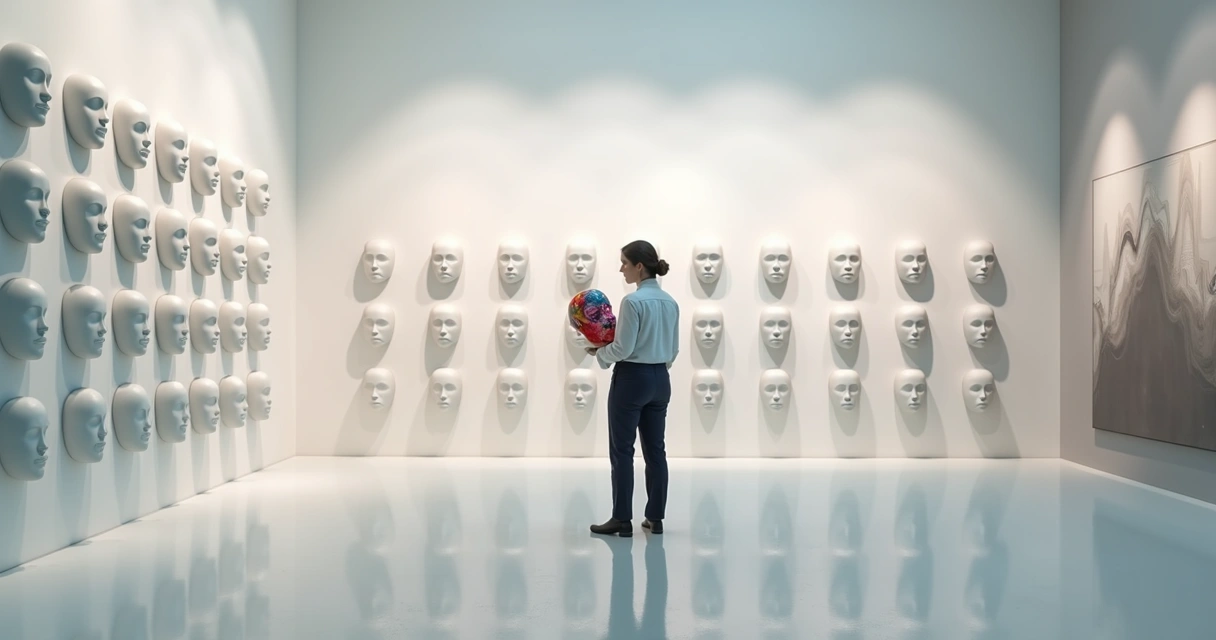

Every person carries within an inner field, where thoughts, emotions, beliefs, and memories coexist. Sometimes, this inner field flows in harmony. Other times, it’s marked by tension, contradiction, or even silence. When we speak of inner fragmentation, we mean the experience of being internally divided—living with parts of us that have never truly met, reconciled, or worked together. The effects of this are felt far beyond our minds. Often, the more split we are inside, the more we find ourselves competing with others, sometimes without realizing it at all.
We have witnessed how this competition doesn’t only emerge on obvious occasions—like sports or professional challenges—but in everyday life, in families, friendships, and social dynamics. People start to feel they must prove their worth, even if nobody asked. Disagreements become battles for recognition or love. Teamwork is hidden rivalry with collaboration as a mask.
Unconscious competition is born not from true desire, but from inner conflict.
Let us walk together through six ways inner fragmentation creates, strengthens, and perpetuates unconscious competition.
1. When parts of us feel unseen or unaccepted
Inside every person, there are aspects longing to be noticed—qualities, talents, feelings, and pains. When some of these are rejected or suppressed, they do not simply fade. They become the silent, driving force behind the need to compete.
When our strengths, vulnerabilities, or even ambitions are not fully accepted by ourselves, we begin to seek validation outside. This takes the shape of comparison, rivalry, and the subtle wish to outshine others, especially those who reflect the denied parts of us.
For example, if someone feels that their sensitivity is a flaw, they may unconsciously compete with others who seem confident or assertive, seeking to prove their own worth indirectly. This kind of competition is blind. It’s not about growth. It’s about covering an inner wound, and as a result, it never truly satisfies.
2. Old stories driving present competition
The stories we carry—about our childhood, achievements, failures, or relationships—often remain active whether or not we consciously acknowledge them. If we haven’t made peace with these past stories, we may replay them in our current interactions.
Unresolved narratives become filters through which we see new situations and people. If we felt overlooked by a parent or teacher as children, this story may drive us to compete for appreciation in adult life. Suddenly, every colleague or friend becomes a silent rival for attention, love, or success, repeating an old story in a new theater.
This unconscious competition isn’t rooted in the present, but in the echoes of the past—making it especially hard to spot and address.
3. The illusion of scarcity and the divided self
A fragmented inner world often sees the outer world as a place of lack. When we do not feel whole or enough inside, we tend to project this sense of lack onto everything around us: affection, opportunity, recognition, and even happiness.
The belief that there is “not enough” creates tension and struggle, making us feel we must compete to take our share before it’s gone.

We have seen that groups or organizations marked by this belief become zones of constant jockeying for position and credit. Relationships turn transactional. Joy is replaced, often quietly, by vigilance against losing out. True cooperation becomes very difficult in such an atmosphere.
4. Unacknowledged pain as silent rivalry
Pain that is unaddressed, be it from disappointment, betrayal, or personal loss, tends to sharpen inner divisions. When this happens, people often act out their woundedness through competition rather than expression.
We may become reactive around those who seem to have what we felt we lost, or who appear not to carry our kind of pain.
This reactivity can manifest as subtle put-downs, passive competition, or a drive to be better—not as an act of growth, but as protest against what feels unfair or unhealed inside. The other person becomes a stand-in for our own pain, making true connection even harder.
Learning to read emotional patterns, as explored in integration practices, can open a path for these pains to be embraced and heal, shifting us slowly away from rivalry.
5. Splitting between reason and emotion
Many of us have developed the habit of favoring our rational side or our emotional side, sometimes denying one in favor of the other. This split becomes the ground for internal arguments—and external ones, too.
When reason and emotion are not working in harmony within us, we often find ourselves competing to be “right,” rather than relating to others.
Discussions become contests. Meetings become battlegrounds. Even personal growth becomes a question of winning rather than learning. This division not only keeps inner peace at bay but also feeds cycles of argument, distrust, and ongoing competition with the people around us.
Practices such as meditation can help create space within, allowing both reason and emotion to coexist without having to battle for dominance.
6. Social comparison and identity conflicts
When our sense of who we are is shaky, or our identity is built on old wounds and stories, comparing ourselves to others becomes almost automatic. We check for proof that we are “enough”—as skilled, as loved, as valued as someone else.
This constant comparison is fed by a fragmented sense of self. The more unsure we are about who we are or why we matter, the more we seek this validation in contrast to others.

Social settings and workplaces with hidden competition quickly erode trust and connection. Conversations turn into measurements, and the joy of collaboration fades. Our attention then shifts from exploring possibilities to comparing positions.
Resources on consciousness and leadership offer insight into how better awareness of our own identity softens the pull of comparison and competition.
Bringing together the pieces: from inner division to healthy connection
We have seen again and again that inner fragmentation builds a quiet ground for competition—not the kind that encourages growth or learning, but the kind that repeats old survival patterns.
As we start to reconcile our own diversity—listening to both strengths and wounds, embracing emotion and reason, healing old stories—we find less need to compare, fight, or prove. Instead, the inner field becomes more unified. From this field, engagement with others becomes less about rivalry and more about true partnership.
When we nurture inner wholeness, the outer world starts to reflect the same. Relationships shift. Social groups become more supportive. Even in our professional lives, the need to “win” reduces and the capacity to collaborate grows.
You may want to look at resources on healthy relating for more practical guidance on transforming competition into genuine connection.
The journey away from unconscious competition starts inside.
Frequently asked questions
What is inner fragmentation?
Inner fragmentation is the experience of being mentally and emotionally divided, with parts of ourselves unintegrated or in conflict. It means there are aspects of our identity, memories, or feelings that have not been brought together into a cohesive whole, often leading to internal tension or a sense of disharmony.
How does fragmentation cause competition?
Fragmentation often creates a sense of inner lack or division, which drives people to seek validation, recognition, or worth outside themselves. This results in competition with others—sometimes subtly or unconsciously—as a way to fulfill unaddressed needs, prove self-worth, or resolve old wounds by trying to “win” approval.
How can I reduce inner fragmentation?
Reducing inner fragmentation involves self-reflection, self-acceptance, and compassionate awareness of inner diversity. Practices like honest journaling, mindful presence, and seeking support (from trusted people or inner work traditions) can help. Allowing reason and emotion to coexist, and understanding one’s old stories, supports deeper integration.
What are signs of unconscious competition?
Signs include feeling threatened by others’ success, needing to “one-up” people, struggling with envy, comparing oneself constantly, or feeling uneasy with teamwork. Sometimes these behaviors feel automatic, and the competitive drive seems stronger than the joy of authentic connection.
Why is inner wholeness important?
Inner wholeness fosters peace, clarity, and the ability to relate more positively with others. When we feel integrated inside, we act with more empathy, collaborate better, and experience relationships and achievements with greater satisfaction. Wholeness allows us to live from a place of connection rather than reaction.