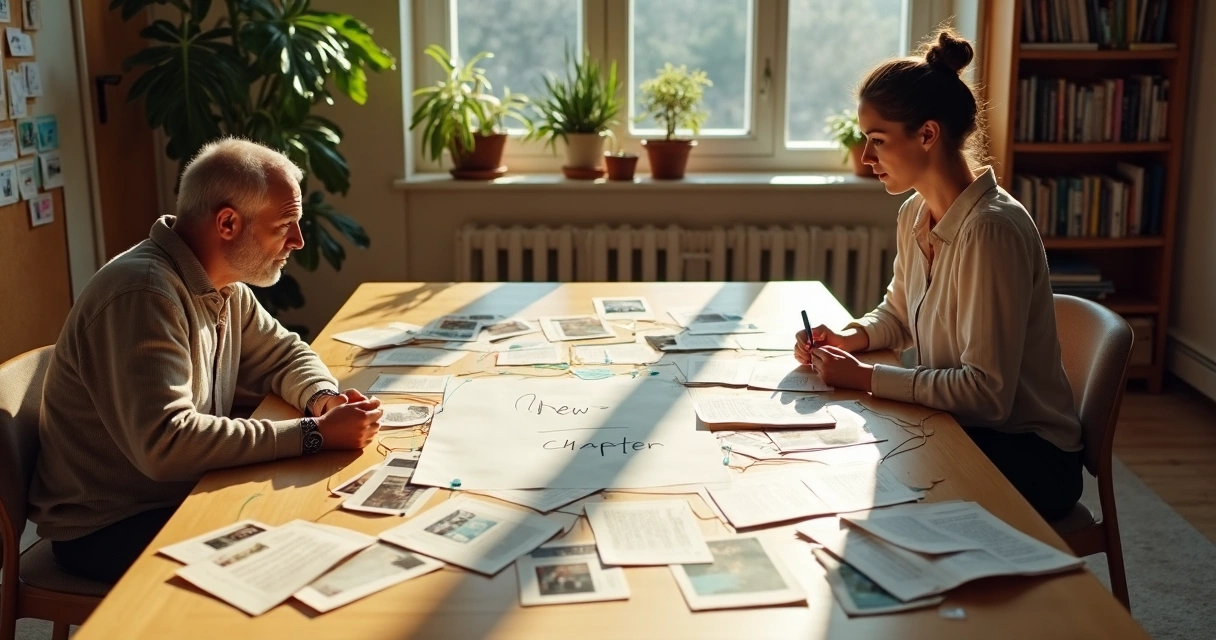

Every person begins life as a unique field of potential, but it is in relationship—with self, others, and the world—that this potential finds form. From our earliest moments, we are shaped not just by events, but by the quality of connection and dialogue we hold within. How can we, as caregivers, educators, or members of any system, nurture a reconciled identity in children and the structures surrounding them? This question is both practical and deeply human. Our choices matter.
Understanding reconciled identity
To nurture a reconciled identity, we must first grasp what this means. We see identity as much more than roles or achievements. It is a living relationship between thoughts, emotions, memory, and presence. When the parts of a person’s experience—feelings, thoughts, history—are in conflict, their identity fractures; when these parts find dialogue and acceptance, identity becomes whole, coherent, and at peace.
Children especially are mirrors for the emotional climate and narratives around them. If we value reconciliation, integration, and presence, they absorb these qualities long before they learn their names. The seeds of a reconciled identity are sown in moments of listening, validation, healthy boundaries, and shared reflection.
Why reconciliation matters for children and systems
Schools, families, and organizations are not just collections of people; they are living systems. In our experience, we notice that:
- Children who feel internally reconciled navigate challenges more calmly.
- Systems that honor inner dialogue become more flexible and creative.
- Unmet, unexplored conflicts in individuals often echo as group tensions or repeated misunderstandings.
Much of what appears as behavioral “problems” in children or dysfunction in systems can be traced back to unintegrated emotions or unspoken narratives. When adults model reconciliation—by naming their feelings, owning mistakes, or practicing dialogue—children witness integration in action. Systems, in turn, become safer places to grow.
What nurtures a reconciled identity?
Through our work, we have identified several practices that support the growth of reconciled identity in children and across collective settings:
1. Emotional validation and language
Children need a language for their inner world. When adults ask “How did that feel?” or name emotions—“You seem sad,” “That made you excited”—they help children link body, feeling, and mind. Over time, this builds self-recognition instead of avoidance or shame.
2. Modeling self-reflection and repair
No one is perfect. Adults who openly apologize, reflect on their reactions, or seek help after conflict show children that reconciliation is possible and valued. This transparency makes self-forgiveness and growth normal.
3. Boundaries and safety
Clear, respectful boundaries allow children to know where they end and others begin. Boundaries are not barriers, but containers for authentic expression. When children can say “no” safely, or when systems offer space for disagreement without punishment, true dialogue can begin.
4. Integration of past experiences
Unacknowledged experiences—painful or joyful—linger in the background. Gentle, age-appropriate storytelling, rituals, or conversations help children make sense of their story. In schools or organizations, shared history should be honored and spoken, not denied.
5. Encouraging presence over performance
Modern culture often rewards only achievement. Yet, the development of a reconciled identity values presence—being connected to the moment and one’s true self—over constant evaluation. We believe that “being with” children is more healing than pushing them to “become” something all the time.
Key environments for identity formation
Different contexts play different roles in shaping reconciled identity. Let’s look at the main ones:
Family as the first field
Families are children’s first environment of belonging. When families foster open communication, share stories, process conflict, and provide acceptance, children grow with a strong sense of self-worth. Unspoken pain or rigid roles can fracture this process.
Schools and learning spaces
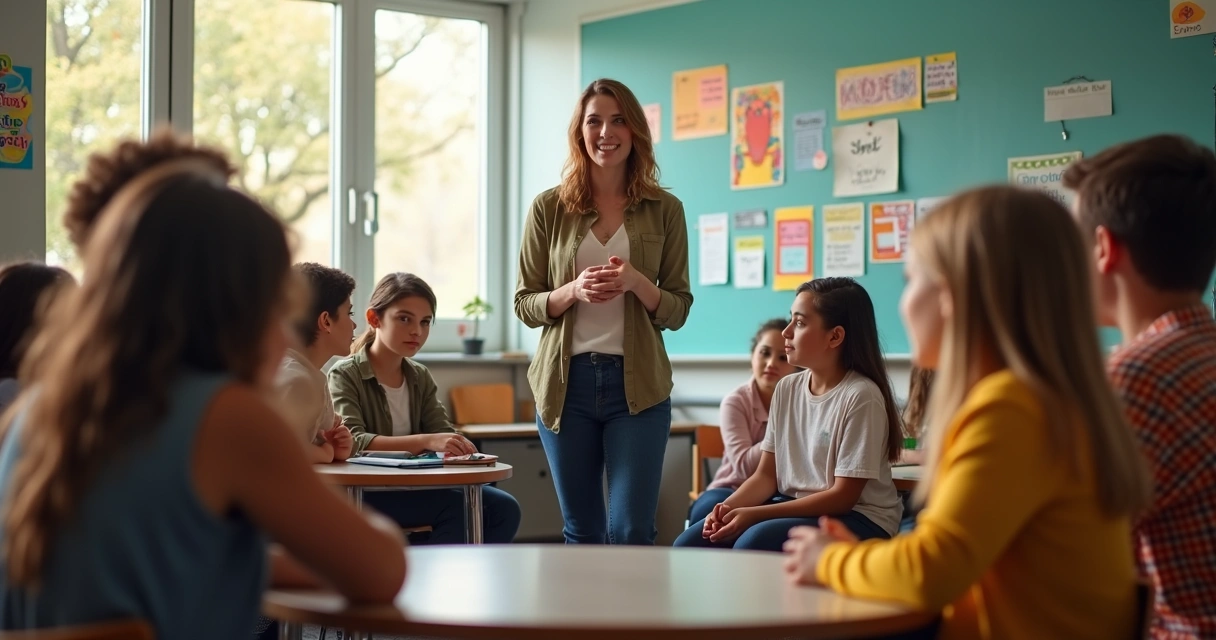
In school, children compare and relate to peers. Healthy classrooms encourage empathy, group reflection, and respect for difference. Systems that punish vulnerability or ignore individual stories can increase conflict within children, leaving them feeling unseen.
Organizations and larger systems
Beyond childhood, the values and structure of groups—clubs, teams, workplaces—shape ongoing identity. Systems that integrate feedback, dialogue, and inclusive decision-making support personal reconciliation and collective maturity.
Practices for families, schools, and systems
Based on our observations and research, these methods actively nurture reconciled identity:
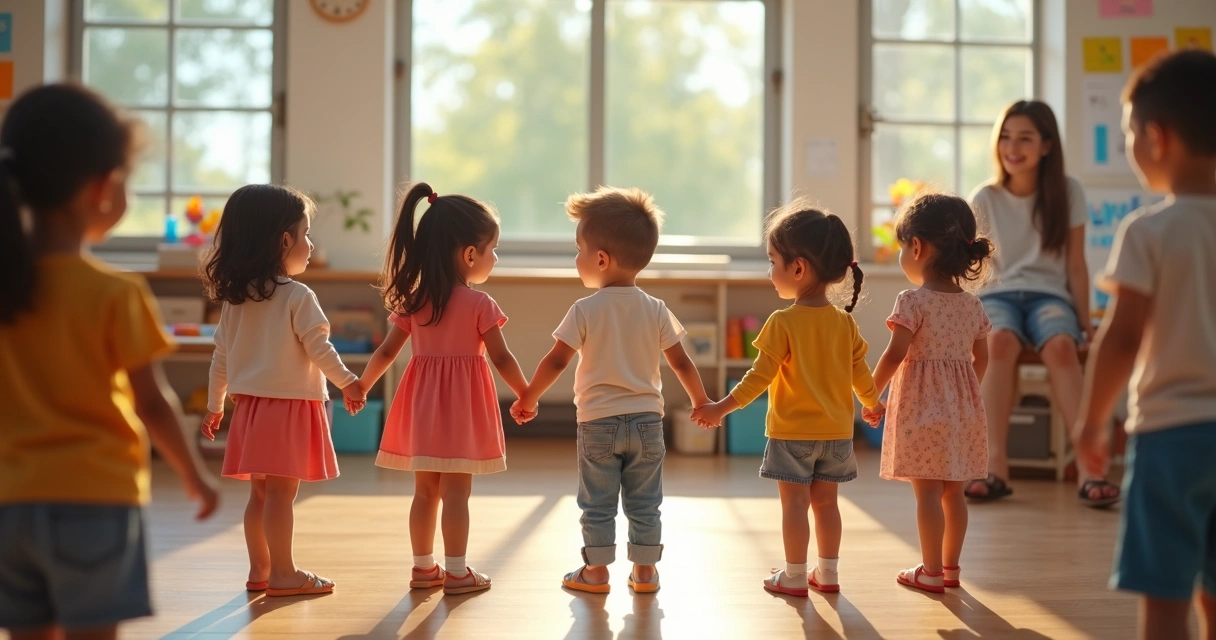
- Create “connection rituals” like family meals, classroom circles, or team check-ins, where everyone can speak and be heard without judgment.
- Normalize conversations about mistakes and forgiveness. When someone makes an error, the focus should be on understanding and repair, not blame.
- Develop a shared vocabulary for feelings and needs, both at home and in the workplace.
- Encourage reflection—journaling, drawing, or group dialogue—in regular routines.
- Value difference. Systems are richer when individuality is welcome, and conflict is processed openly, not suppressed.
- Provide access to adult mentors or counselors when emotions become overwhelming.
Supporting children and systems in becoming more integrated and reconciled is not a one-time event. It is a daily process.
Bringing reconciliation into the everyday
Some moments are especially powerful for identity formation. Transitions—changing schools, welcoming a new sibling, experiencing loss—ask for extra presence. In these moments, we have found that children look for steady anchors: adults willing to pause, listen, and help them process meaning.
Inside organizations, periods of change can also trigger individual and group conflict. Open forums, feedback sessions, and spaces for storytelling allow for integration rather than division.
Resources for ongoing growth
If the desire is to deepen personal or group understanding about consciousness, resources on consciousness can help. For those interested in the topic of integration, reflection and guidance can be found in the integration category. Relationships, the living context of identity, are addressed in relationship resources, while aspects of group and organizational growth are discussed under leadership. For individual topics or specific approaches, our search tool offers a pathway to tailored articles and tools.
Conclusion
Helping children and systems build a reconciled identity is ongoing. It calls for dialogue, reflection, presence, and courage—from all of us. Small daily acts of listening, repair, and openness can deeply affect the wholeness of a person, family, or group. When we create space for every part of our experience to be met with care, we invite a more ethical, creative, and loving world. Reconciliation is not the absence of conflict, but the presence of understanding.
Frequently asked questions
What is a reconciled identity?
A reconciled identity means having an inner sense of wholeness where thoughts, feelings, and past experiences are accepted and integrated. It is when someone can hold both their strengths and struggles with acceptance, and their responses arise from awareness rather than automatic reaction.
How to help children build identity?
We recommend using open dialogue, validating emotions, providing safe boundaries, and modeling self-reflection. Giving children language to express feelings, supporting repair after mistakes, and welcoming their unique perspectives all support healthy identity development. Honest and caring environments let children feel valued for who they are.
Why is reconciled identity important?
Reconciled identity is important because it allows people to respond to life with clarity and compassion instead of reactivity or avoidance. For children, it protects emotional health and social growth. For systems, it supports creative problem-solving, mutual respect, and resilience in the face of challenges.
How can schools support identity growth?
Schools can support identity growth by fostering empathy, group reflection, and respectful dialogue. Structures such as classroom circles, open feedback, and lessons about emotions help children build awareness and trust. Inclusion and affirmation of difference, alongside restorative approaches to conflict, strengthen collective and individual growth.
What challenges affect reconciled identity in kids?
Challenges include family or school conflicts that go unaddressed, lack of emotional language, punishment for expressing feelings, or overwhelming transitions. When children feel they cannot share or name their experiences safely, parts of their identity may become split. Supportive, present adults can help children face and integrate these experiences rather than silence them.