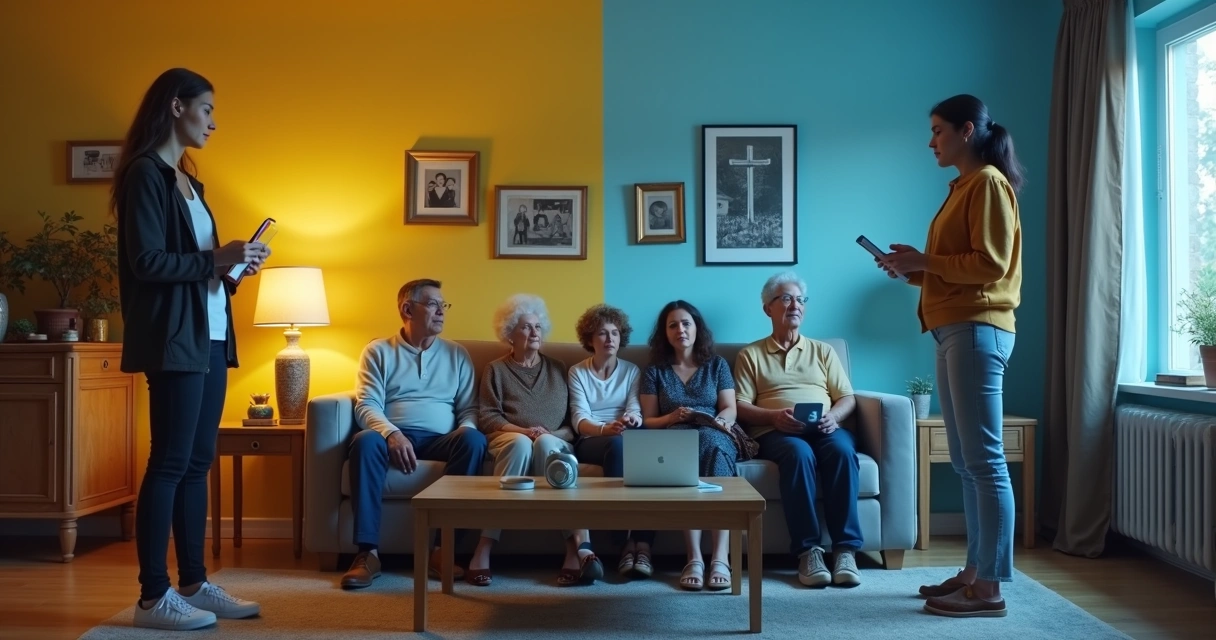
Every person carries a blend of learned family patterns and the expectations of society wherever we go. These two dimensions influence who we become, how we act, and the unseen tensions we feel within ourselves and with others. Often, the struggle happens quietly. At a family dinner, in our workplaces, or when we are alone with our thoughts. There is a silent push and pull between what shaped us and what is demanded of us.
Have you ever wondered why some conflicts with family feel stubborn, or why the pressure to fit into societal molds can feel overwhelming? In our experience, the answer sits at the intersection of family patterns and social roles. Let’s walk through eight of the most common conflicts that can arise here, explaining how they affect us and what possibilities for change exist.
Understanding family patterns and social roles
Before we go further, it’s useful to clarify what we mean by family patterns and social roles.
Family patterns are the emotional habits, beliefs, and behaviors that repeat across generations. These show up in how we love, how we handle anger or sadness, and how we understand our place in the world.
Social roles are the expectations and rules that society sets for us, depending on our gender, age, profession, or status. These tell us how we “should” behave to fit in and be accepted.
The conflict comes when our family patterns do not align with what society expects from us—or vice versa. Here are eight frequent conflicts that reveal how deep this tension can go.
Eight main conflicts between family patterns and social roles
1. The obedience versus autonomy dilemma
In many families, obedience is highly valued. Children are expected to listen to their elders without question. Yet, much of modern society encourages autonomy and independent thinking. When someone raised to obey enters a world that celebrates unique opinions, a silent battle can form inside.
Speak your mind, but know where you learned your silence.
2. Emotional expression versus emotional restraint
Some families teach us to hide our feelings, believing that showing emotion is weak. Social roles, however, are shifting, with openness about vulnerability seen as positive. The internal conflict comes when expressing emotions feels dangerous at home but necessary in friendships or professional circles.

3. Loyalty to family versus loyalty to self
We often feel we owe unwavering loyalty to our family, even if it means putting our needs last. Society, on the other hand, may encourage us to pursue our dreams and prioritize self-care. This conflict asks, ‘Should we remain loyal to tradition, or carve our own path?’
This challenge often produces guilt, rebellion, or both.
4. Tradition versus innovation
Family customs can be comforting and promote belonging. But social roles sometimes call on us to innovate and question old ways. For example, a young adult may want to pursue an unconventional job or lifestyle, while family pride centers on maintaining tradition.
5. Gender expectations at home versus in society
Gender roles at home may be rigid, while society at large is expanding its ideas about masculinity, femininity, and identity. Someone whose family expects traditional roles may feel immense pressure when the outside world expects something else.
These transitions are not easy. We have seen how this conflict can create anxiety or tension, especially when family and social messaging are at odds.
6. Responsibility versus permission
Some families encourage children to take on adult responsibilities early: caring for siblings, helping with bills, or managing family crises. Social roles might encourage these same people, as adults, to prioritize education, personal development, or leisure. When do we have permission to focus on ourselves?
7. Silence versus voice
In certain families, having strong opinions or questioning authority is unwelcome. Yet wider society increasingly values speaking out. The urge to stay silent clashes with the call to be heard. Many discover their voice only after a painful process of figuring out which rules still serve them.
8. Collective identity versus individual identity
Some family cultures prioritize what is good for the group, while social roles may stress finding our unique self or standing out. This conflict can force us to choose: belong or be ourselves?
We often notice this tension at milestones—job choices, marriage, moving away, or life decisions that others may judge.

From inner conflict to integration
These eight conflicts show that our inner world is not isolated from our outer experiences. They are deeply connected.
In our work, we have seen that moving from internal division to a place of integration supports healthier relationships, clearer leadership, and more compassionate communities. This shift involves recognizing the patterns inherited from our families, and the pressures imposed by society, and gently deciding which to keep—and which to let go.
If you want to understand more about how emotional patterns influence your personal and professional life, take a look at our discussions on relationships. For further reading about expanding awareness and self-understanding, topics on consciousness and integration offer in-depth guidance.
Strengthening leadership and building new patterns
No one is immune to these tensions. Even leaders and professionals find old family scripts playing out in how they work or relate to others. By acknowledging both the roots and the expectations, we can choose actions that reflect a reconciled self, not just a rehearsed role.
In leadership, this can deepen empathy and help teams thrive despite differences. For more on conscious leadership, our articles on leadership explore how to foster this awareness in everyday life.
Conclusion: Moving forward with awareness
Family patterns and social roles will not stop shaping us. But by bringing them into awareness, we are less likely to feel torn, anxious, or stuck.
Each conflict reveals something about who we are and who we wish to become. With reflection and compassion, we can move from conflict to constructive action—building lives that honor our origins, yet also leave room for growth, innovation, and deeper connection.
If you are curious about other topics or want to search for something specific, visit our search page for more resources.
Frequently asked questions
What are common family pattern conflicts?
Common conflicts include the struggle between obedience and autonomy, emotional openness and restraint, balancing loyalty to family with self-fulfillment, navigating tradition versus innovation, handling gender expectations, managing responsibility versus personal freedom, choosing to speak up or stay silent, and defining personal versus collective identity. These tensions often play out in daily choices and major life events.
How do social roles affect families?
Social roles shape expectations within families by setting cultural standards for behavior, success, gender, and decision-making. When these roles change or clash with family beliefs, families may experience misunderstandings, pressure, or conflict. Adapting to changing social roles often requires ongoing communication and flexibility within the family system.
What is the difference between roles and patterns?
Family patterns are emotional habits and behaviors repeated across generations, while social roles are the norms and expectations set by society for how we should act in various situations. Patterns are often unconscious and inherited, while roles are learned and often shift across settings.
How can families resolve these conflicts?
Resolution begins with awareness. Families benefit from open conversations about where their patterns come from and how social roles may differ. Supportive listening, empathy, and a willingness to adapt can help. Sometimes, external support or education helps bridge misunderstandings and leads toward integration rather than division.
Why do family and social roles clash?
They clash because families are shaped by tradition and personal history, while society is always changing and setting new norms. What is normal or valued at home may be outdated, unwelcome, or misunderstood outside. This tension is part of growth and requires both reflection and negotiation at every stage of life.