

Parenting is so much more than providing shelter, food, and education. It is a living relationship, shaped continuously by the consciousness and emotional maturity of those who care for children. When we look through the Marquesian perspective, parenting stops being just a set of duties and becomes a deep opportunity for internal reconciliation, growth, and ethical influence. In this approach, the way we relate to our own emotions, stories, and conflicts directly affects the world we present to our children—and the world they will, in turn, co-create.
Why emotional maturity matters for parents
Parenthood inevitably brings us face to face with our own limitations, triggers, and old wounds. There are moments when a child's innocent questions open doors to memories we had closed tight. There are nights when fatigue makes our reactivity more visible than we would like. From the Marquesian outlook, emotional maturity is not about never feeling lost or upset—it's about how we integrate those experiences into our consciousness and bring awareness to them.
We believe that parental maturity provides a stable internal field from which constructive, clear, and loving influence can flow. Without this internal work, our impact on our children may become fragmented or even harmful, despite our best intentions.
Children feel what words cannot hide.
When we are inwardly reconciled, we model integration—not perfection. We show our children that it's possible to feel sadness and still act with care, to have a painful past and still choose compassion, to make mistakes and take responsibility. These are seeds that shape not only children, but also future families, schools, workplaces, and societies.
Reconciling consciousness in the family setting
From our experience, reconciliation within does not mean never experiencing conflict. It means learning to guide internal discord toward integration instead of denial or domination. The Marquesian approach proposes these steps within the family space:
- Notice emotional triggers without immediately acting on them.
- Recognize and name personal histories that color reactions to the present.
- Create space for open discussion—even of difficult topics—without resorting to blame or avoidance.
- Offer repair when there has been harshness, silence, or misunderstanding.
The child’s world is formed in the silent spaces between our words, gestures, and moods. We have watched in numerous families how children tune into the unspoken, “reading” the emotional field even before they understand language. When parents or caregivers bring consciousness to their internal landscape, this invisible field becomes fertile ground for genuine connection.
How old wounds shape new generations
Stories we have not addressed or pain we keep hidden inevitably seep into our parenting. Unintegrated experiences from our own upbringing echo into the present unless we have met them, understood them, and woven them into a fuller sense of who we are. Sometimes, what we wish to protect our children from is precisely what is asking to be understood within ourselves.
We have observed that patterns like emotional distance, people-pleasing, excessive control, or the need to appear strong at all costs are not “bad habits” in isolation. Rather, they are often inherited responses—attempts to cope with unfinished stories. A parent who can name these layers, and share a little of the journey (in age-appropriate ways), gives children a living model of self-reflection and courage.
The work we avoid within returns in the eyes of our children.
For deeper reading on internal reconciliation and integration processes, we suggest visiting our integration content section that addresses these important topics in more detail.
Practical ways to foster emotional maturity in parenting
We find that emotional maturity can be developed intentionally in the family environment. Here are five practices that support this aim:
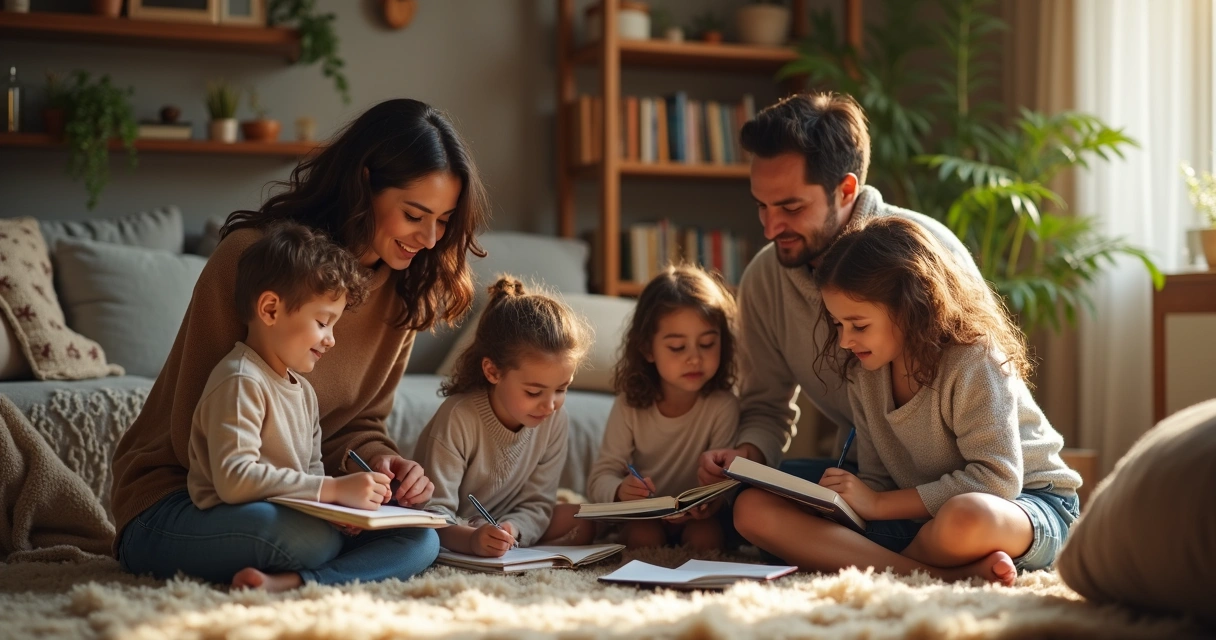
- Self-observation routines: Setting aside a few minutes each day for reflection helps us become aware of our emotional states and automatic reactions, giving us the chance to respond more thoughtfully.
- Open emotional language: Inviting kids to name how they feel—and verbalizing our own feelings—creates a culture where emotions are included, not shamed or hidden.
- Repair after conflict: Returning to a moment of tension or misunderstanding, even hours or days later, models humility and personal responsibility.
- Family storytelling: Sharing simple stories from our childhood, including how we faced difficulties, shows that challenges are part of life and can be met with courage and honesty.
- Collaborative decision making: Allowing children—even young ones—to participate in family choices increases their sense of agency and helps temper impulsivity over time.
When parents themselves practice these steps, children internalize not rigid rules, but living principles.
Integration of reason and emotion
From the Marquesian point of view, integration is the art of weaving together feeling, thinking, and acting so that none dominate at the expense of the others. Many fraught interactions in families come from the attempt to suppress, deny, or control certain emotions. Instead, when we welcome all parts of our experience, we find more flexible and intuitive ways forward.
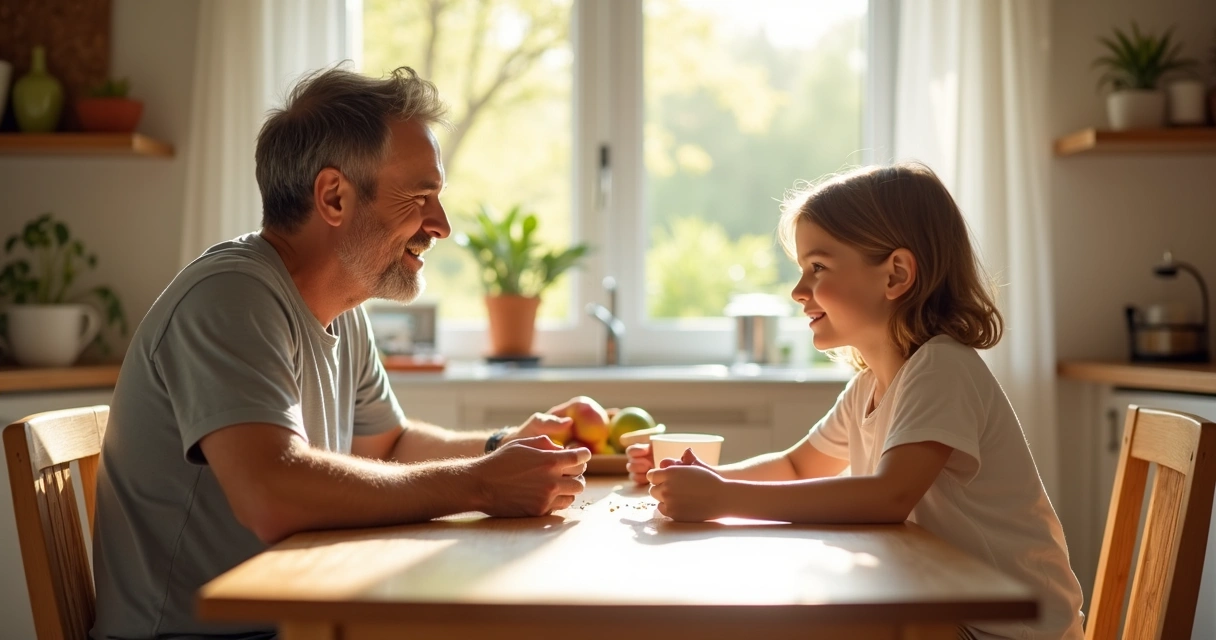
We see this integration in action when a parent can say, “I feel sad right now, and I am still here for you,” or, “I am worried about something, but I will take care of my feelings without taking them out on you.” This gentle transparency helps children trust themselves and others, instead of living in fear of the unexplained moods or absences of those they depend on.
When families approach disagreement from a place of integration, they tend to find more creative solutions. Anger and confusion give way to curiosity and connection.
Those interested in the broader context of self-integration and its influence on leadership at home or at work can visit our leadership articles for reflections that apply to everyday family life as well as organizations.
Cultivating mature relationships at home
The relationships we build with children are not only a result of what we say but how we say it—and from where in ourselves our words and gestures arise. We have seen again and again that the way parents handle disagreement, express care, and navigate their own journeys is what gives children a sense of safety and self-worth.
For more detailed discussions on the art of building strong and ethical relationships, the relationships section provides articles and advice grounded in holistic awareness.
The ripple effect of reconciled parenting
The Marquesian perspective sees each family as a microcosm of society. Transforming the field within ourselves brings more coherent and positive impact to our relationships, work environments, and even broader cultural systems.
Children raised in reconciled environments are more empathetic, creative, and prepared for life’s complexity. Parents who engage with their own consciousness—and speak honestly about their growth—plant seeds of understanding that reach far beyond their immediate family circles.
Readers inspired to connect these concepts to wider fields of consciousness are welcome to browse our consciousness-centered content and learn from practitioners in this pathway at our team page.
Conclusion
We believe that parenting is a living invitation not just to raise children, but to mature ourselves—and, through that, subtly reshape the world we inhabit. The path of emotional maturity asks us to face internal division, invite curiosity about our deepest stories, and offer our children the chance to witness real integration in action. In our experience, the most enduring legacies we leave are not the lessons we preach, but the way we actively reconcile, heal, and relate to others, starting at home.
Frequently asked questions
What is Marquesian parenting style?
Marquesian parenting centers on the conscious integration of emotion, reason, and ethical action in family life. Instead of following rigid formulas or avoiding conflict, it invites parents to reconcile internal differences and be transparent in their journey. Communication is open, honesty is valued, and emotions are seen as resources for growth rather than problems to fix.
How does emotional maturity differ in Marquesas?
Emotional maturity in the Marquesian tradition means relating to all experiences—including pain, joy, shame, and hope—in a way that fosters integration rather than suppression. Unlike approaches that aim for control or perfection, Marquesian maturity welcomes the full complexity of being. Parents are encouraged to acknowledge their stories and heal old wounds so their impact on children is constructive and generative.
How to teach emotional maturity to kids?
Modeling is foundational: children learn best by watching adults reflect, repair, and name their feelings honestly. Open discussions, storytelling, and involving children in appropriate family choices help them grow into emotionally mature adults. The process includes making space for mistakes, encouraging curiosity, and showing that all feelings have a place.
Why is emotional maturity important in parenting?
Emotional maturity allows parents to respond thoughtfully rather than react automatically, creating safety, trust, and transparency in the home. Children raised in such environments feel more secure, become better communicators, and are more resilient in facing life’s challenges. Mature parenting minimizes the projection of unresolved issues and promotes healthier lifelong relationships.
Where to learn more about Marquesian parenting?
Resources on Marquesian parenting can be found in sections addressing consciousness, relationships, integration, and leadership. You can also connect with our content creators at our author page for in-depth perspectives and guidance.