

We often notice pain when it is loud. We hear crying, anger, or harsh words, and we know something is wrong. But some pain does not speak. It sits behind polite smiles, short replies, long workdays, and a face that looks calm enough. This is invisible emotional pain, and it is more common than many of us think.
Silent suffering is pain that stays hidden behind self-control, habit, or fear.
In our experience, the people who suffer most quietly are not always the ones who seem fragile. Sometimes they are the dependable ones. The person who never complains. The friend who always asks how others are doing. The leader who keeps going even when their voice sounds flat and tired.
Silence can be a shield.
We have seen this in simple moments. Someone says, “I’m fine,” but their eyes drift away. A family dinner stays peaceful, yet one person barely speaks. A coworker meets every deadline, but their warmth has gone missing. Nothing dramatic happens. Still, something feels off.
Why hidden pain is hard to see
Many of us were taught to hide what hurts. Some learned that showing pain would bring shame. Others learned that speaking up would burden the people they love. Over time, silence can start to feel safer than honesty.
There are also social rewards for appearing steady. People may praise those who stay strong under pressure. They may trust the one who never breaks down. Yet this can create a private trap. A person starts to believe that being accepted depends on staying composed at all times.
When emotions are pushed down for too long, they do not vanish. They move inward and shape behavior.
This hidden pain may show up in ways that look ordinary at first:
- Constant tiredness without clear cause
- Loss of joy in things once loved
- Sharp reactions to small issues
- Trouble sleeping or resting
- Withdrawal from close relationships
- A sense of numbness instead of sadness
These signs do not always mean a person is in deep distress, but they ask for attention. They tell us that silence is not always peace.
What silent suffering can look like
Invisible emotional pain rarely has one fixed face. It changes from person to person. One individual becomes quieter. Another becomes overly cheerful. Someone else stays busy every hour of the day so they never have to feel what is waiting inside.
We think it helps to look less at performance and more at patterns. A person may still function well and still be hurting. They may keep showing up while slowly disconnecting from themselves.
Some signs are easier to miss because they do not look dramatic:
- They answer messages, but only with a few words
- They avoid eye contact more than before
- They laugh, yet it feels delayed or forced
- They say they are tired all the time
- They stop sharing personal thoughts
- They seem present in body, but absent in spirit
We can learn a lot by paying attention to changes, not just crises. If you want to reflect more on inner awareness, themes around consciousness can help frame what often stays hidden.
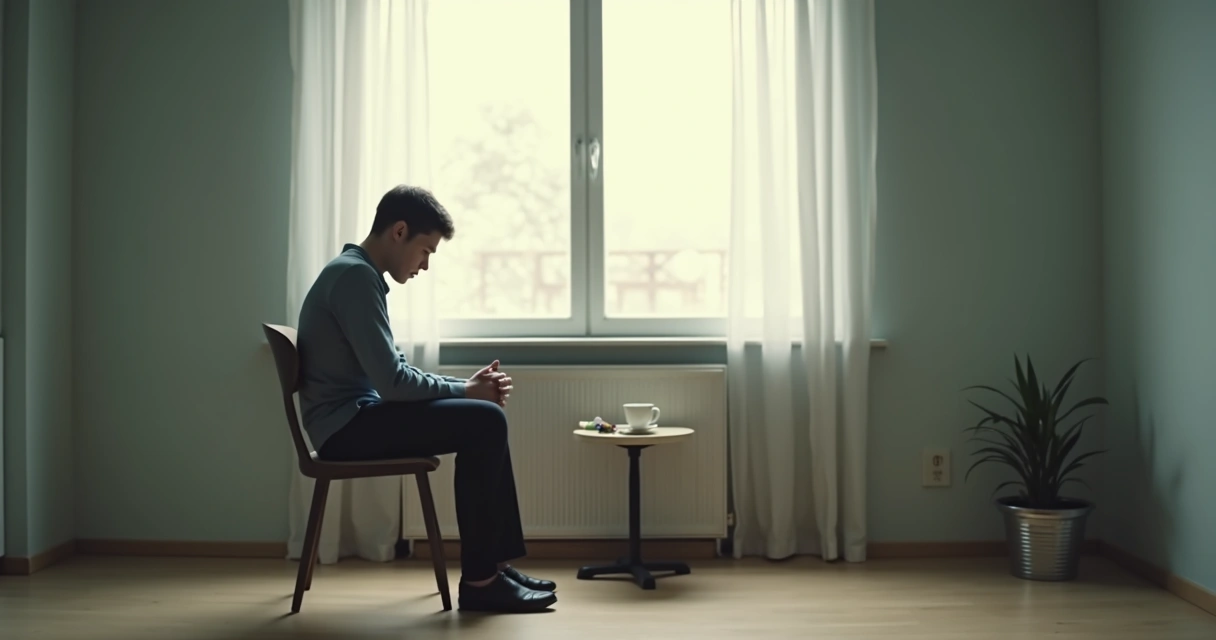
How silence affects relationships
When pain stays hidden, relationships often feel the strain before words ever name it. We may think someone is cold, uninterested, or distant, when they are actually overwhelmed. In close bonds, this misunderstanding can create hurt on both sides.
One partner asks, “Why won’t you talk to me?” The other has no clear answer. They may not even know how to name what they feel. They only know that speaking seems hard. Very hard.
In families, silence can pass from one person to another. A parent hides distress to protect a child. The child senses tension anyway and learns that hard feelings should stay unspoken. This pattern can continue for years. Then one day, no one knows how to talk honestly, even when love is present.
That is why we believe emotional presence matters more than perfect words. In many cases, healing begins when someone feels safe enough to stop acting fine. Topics related to relationships often show how much unspoken pain shapes daily connection.
Ways we can notice with more care
Noticing hidden pain is not about guessing or invading someone’s private world. It is about becoming more awake to human signals. It asks for patience. It also asks for humility, because we may sense that something is wrong without fully knowing what it is.
We have found that a gentle approach helps more than pressure. We do not need to force confession. We need to make space.
- Watch for changes in mood, energy, and openness over time.
- Ask simple questions without pushing for fast answers.
- Listen for what is missing, not only for what is said.
- Stay steady if the person becomes emotional or quiet.
- Respect boundaries while keeping the door open.
A calm and nonjudgmental presence can make hidden pain feel speakable.
Sometimes support begins with one sentence: “You do not seem like yourself lately. We are here if you want to talk.” It is direct. It is warm. It does not trap the other person.
For some people, inner stillness also helps them notice what they have been avoiding. Practices linked to meditation can support that kind of honest pause.

Making room for inner integration
Hidden pain tends to grow when a person feels split inside. One part wants to speak. Another part wants to stay protected. One part feels grief. Another says, “Keep going.” This conflict drains energy and clouds judgment.
We think healing often starts with integration. Not perfection. Not instant relief. Integration. That means allowing different inner truths to exist without forcing them into silence. Pain can sit beside dignity. Vulnerability can sit beside responsibility.
If you are trying to understand your own patterns, material on integration may offer a useful direction. If you are looking for a broader path through related topics, a guided search across articles can help you find what fits your moment.
Conclusion
Invisible emotional pain asks us to slow down. It asks us to notice the pause before the answer, the tired smile, the sudden distance, the person who looks composed but no longer feels fully present. We do not need to become suspicious of everyone around us. We only need to become more human in the way we pay attention.
When silence hides struggle, care begins with noticing. Then comes patience. Then the kind of presence that does not rush pain, judge it, or deny it. We may not be able to fix another person’s inner world, but we can help create a space where truth feels safer than hiding. Sometimes that is where healing first begins.
Frequently asked questions
What is invisible emotional pain?
Invisible emotional pain is distress that does not show itself in obvious ways. A person may look calm, capable, and socially present while carrying sadness, fear, shame, grief, or inner conflict. It is real pain that stays hidden behind normal daily behavior.
How can I spot silent suffering?
We can spot silent suffering by noticing changes over time. Look for withdrawal, low energy, flat tone of voice, loss of interest, unusual irritability, or less emotional openness. No single sign proves hidden pain, but repeated shifts often suggest that something deeper needs care.
Why do people hide their feelings?
People hide feelings for many reasons. They may fear judgment, rejection, conflict, or becoming a burden. Some were taught from an early age to stay strong and keep emotions private. Others do not have the words for what they feel, so silence becomes their form of protection.
Where to find help for hidden pain?
Help can begin with a trusted friend, family member, support group, or trained mental health professional. Private reflection practices can also support awareness, but ongoing distress deserves real support. If pain feels heavy, persistent, or isolating, reaching out to a qualified professional is a wise next step.
How to support someone who’s silent?
Support starts with calm presence. Ask with care, listen without rushing, and avoid trying to solve everything at once. Let the person know they do not have to perform strength with you. The best support often begins with safety, patience, and honest attention.