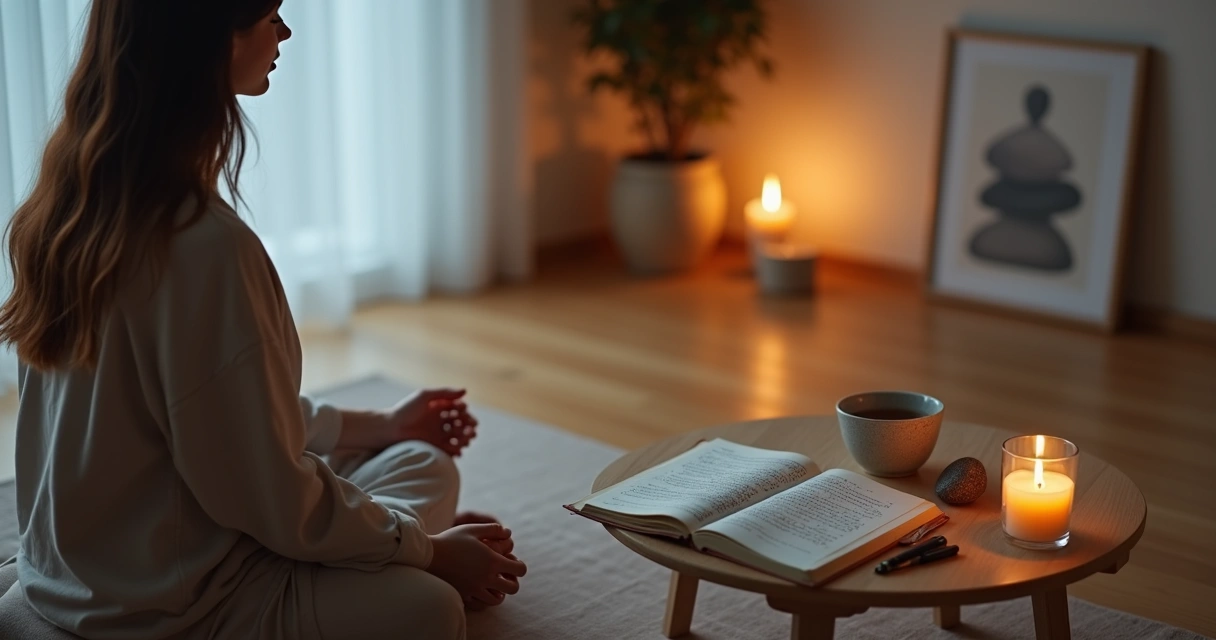
We all carry inner stories that linger—some loud, some quiet, but few ever neutral. These are memories, feelings, or self-judgments that shape how we relate to ourselves and others. Revisiting unresolved internal conflicts is not about reliving old wounds, but about creating personal rituals that help us face, understand, and finally integrate the fragments within.
Why personal rituals matter for inner conflict
Unresolved conflicts work like background noise in our minds. Sometimes, we don’t even realize they are guiding our choices, reactions, and moods. They influence our relationships, decisions, and sense of well-being. Over time, these hidden divisions can become barriers to growth and lasting change. Personal rituals bring intention and structure to the ongoing process of internal reconciliation.
Small rituals can slowly move mountains within.
Through simple practices, we can access, release, and transform what once felt unmovable. From our point of view, creating time and space for this internal work is a mark of maturity and deep self-respect.
Characteristics of effective rituals
We have noticed that the most effective rituals share a few common qualities:
- They are consistent and repeated over time.
- They create a safe environment for vulnerability.
- They include some kind of beginning and end—clear boundaries help us feel contained.
- They invite both reflection and felt experience, not only thought or talk.
- They honor the complexity of what we feel, without pushing for “quick fixes”.
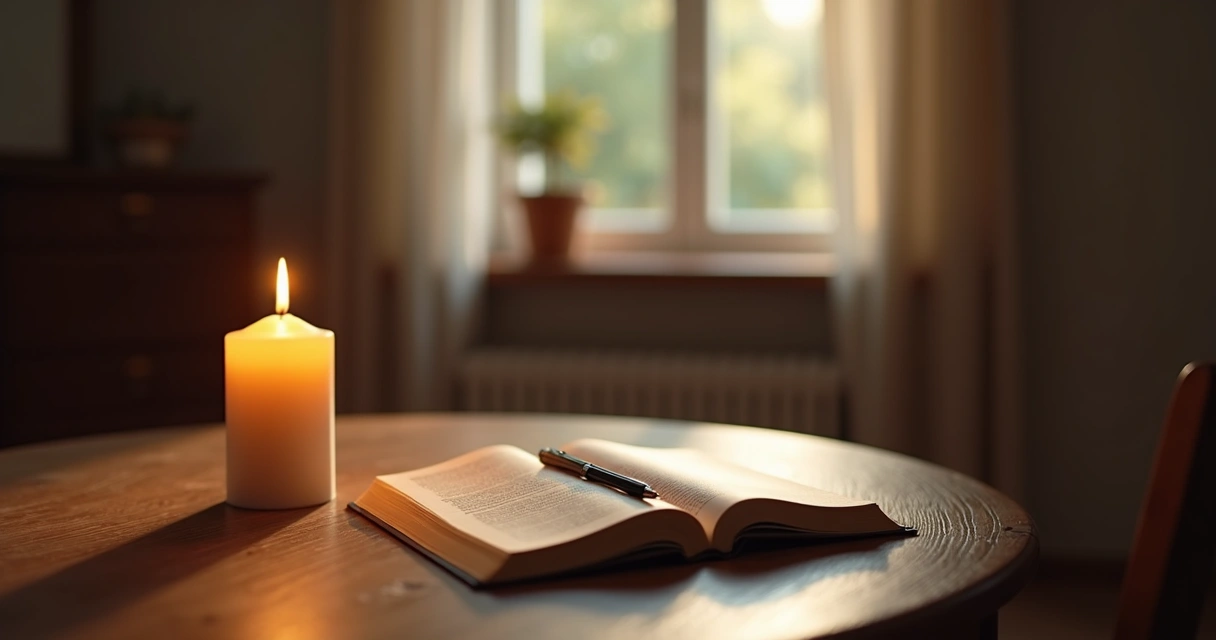
A ritual doesn’t have to be dramatic. Sometimes it’s a candle and a journal. Sometimes, a quiet seat by a window. What matters is the intention and the willingness to show up.
Building your personal ritual: A step-by-step guide
We recommend a gentle structure for those new to this practice. As with any process involving memory and emotion, move with care and self-compassion.
1. Setting the stage
First, choose a space where you feel safe and undisturbed. It might be your bedroom, a quiet park bench, or a cozy corner you create just for this purpose. This physical boundary can help your mind and body recognize: “now, we pay attention to what is within.”
2. Marking the beginning
Just as you might wash your hands before a meal, start your ritual with a clear signal. Maybe you light a candle, meditate for two minutes, or play a calming song. This marks the territory between daily life and inner work.
3. Inviting the conflict
Here is where the real work begins. Close your eyes or focus your gaze somewhere soft. Gently invite the memory, feeling, or situation you wish to revisit. Let it arise, as if inviting an old acquaintance to sit beside you. There is no pressure to “solve.”
Notice what happens in your body, your breathing, or your thoughts. The goal is to be with the conflict, not to rush past it. Let images, words, or emotions come and go. If it gets overwhelming, pause and breathe.
4. Naming and feeling
As the conflict comes into view, we recommend giving it a simple name. Maybe it’s “my guilt with my sibling,” or “my fear of speaking.” Call it by what feels right. Describe, write, or draw how it feels in your body. Is it heavy? Tight? Cold?
Simply observing and naming brings new awareness. What is named begins to change.
5. Listening for messages
Every internal conflict contains layers—pain, unmet needs, and truths waiting to be heard. Sit with them. Journaling helps, but sometimes silence does more. Ask, if you wish: “What do you want me to know?” or “What is unresolved here?”
6. Offering kindness
Encountering old hurts can be difficult. This is where self-compassion comes in. Place your hand on your heart, breathe deeply, or speak to yourself with kindness. “It’s okay that I feel this. I am learning.” Kindness doesn’t remove the conflict, but it changes our relationship to it.
7. Completion and grounding
Before ending, thank yourself for showing up. Close the ritual with a gesture: blowing out the candle, stretching your body, or stepping outside for fresh air. This helps you return to daily life feeling settled.
Some choose to reflect briefly afterward in a journal, noting shifts or new understandings. These entries become a quiet record of healing over time.
Expanding your ritual toolkit
We have found the following practices helpful for those wanting to grow their toolbox:
- Guided meditation, especially those focused on inner child, forgiveness, or mindfulness. For more on this, see our resources on meditation.
- Symbolic objects—stones, letters you never send, meaningful photos—can anchor the ritual and make it tangible.
- Movement—gentle yoga, walking meditation, or simple swaying—can help feelings move through the body.
- Art, whether drawing, painting, or sculpting, provides a nonverbal path for expression.
It’s useful to mix and adapt these methods based on your needs. There is no “one right way.” Meaningful integration often comes from repetition and sincerity, not complexity.

Recognizing progress without perfection
Sometimes, we expect one ritual to resolve everything. Rarely does this happen. Instead, changes might appear as lessened tension, greater calm, or a softer attitude toward ourselves. Small changes matter.
Healing often begins quietly, with gentleness over time.
Pay attention to your daily life: different reactions, easier decisions, kinder relationships. These are real signs that something inside is shifting.
Making rituals part of your life
Building consistency is more effective than seeking dramatic breakthroughs.
- Choose a frequency that fits your life. Weekly is often enough for most.
- Trust that sometimes, rituals will bring up a lot, and other times very little.
- Let yourself adapt: add elements, remove them, or change location as needed.
As we integrate these rituals, we often see a ripple effect beyond ourselves—better decision-making, more authentic connections, even shifts in family or work environments. Our own journey is always part of something larger.
If you are interested in the topic of internal integration, you may find value in our resources on integration and consciousness, which offer further perspectives on this internal work.
For those who find relationships particularly affected by unresolved conflicts, our materials on relationships offer practical ways to recognize and transform old patterns.
You can also use our search page to look for specific practices or topics related to rituals for inner work.
Conclusion
Personal rituals for revisiting unresolved internal conflicts offer us a practical and grounded path for healing. They are not about erasing our pain, but about integrating it, so new responses, new relationships, and even new visions for the future can emerge. Conflicts soften, clarity grows, and more of ourselves becomes available to life. Each ritual, no matter how small, is a vote for greater wholeness, both inside and out.
Frequently asked questions
What are personal rituals for internal conflicts?
Personal rituals for internal conflicts are intentional practices that help us revisit and integrate unresolved emotions, memories, or patterns within ourselves. They are structured routines, often simple and repeated, that provide a safe space for self-reflection, emotional awareness, and gradual transformation.
How to create a personal ritual?
To create a personal ritual, begin by selecting a safe and quiet environment where you will be undisturbed. Mark the beginning with a symbolic gesture—lighting a candle, a moment of quiet, or mindful breathing. Invite the specific conflict or emotion into awareness, allow yourself to feel and name it, then offer self-compassion. Conclude with a grounding activity and reflect on what came up. Adapt and adjust the steps to fit your personality and needs.
Is it helpful to revisit old conflicts?
Yes, revisiting old conflicts can be helpful when done with intention and care, as part of a safe ritual. It allows unprocessed feelings to be recognized and integrated, reducing their unconscious impact on daily life and relationships. However, it is always important to move at a pace that feels safe for you.
What are the benefits of these rituals?
Rituals for unresolved internal conflicts can lead to greater self-understanding, more emotional balance, improved relationships, and increased ability to respond calmly to stress. Over time, a sense of internal coherence and authenticity grows, making it easier to live and relate with clarity and kindness.
How often should I do these rituals?
The best frequency is the one that feels sustainable for you. Many people find that once a week or even once a month is enough to notice changes over time. Consistency matters more than intensity—regular practice supports ongoing healing and integration.