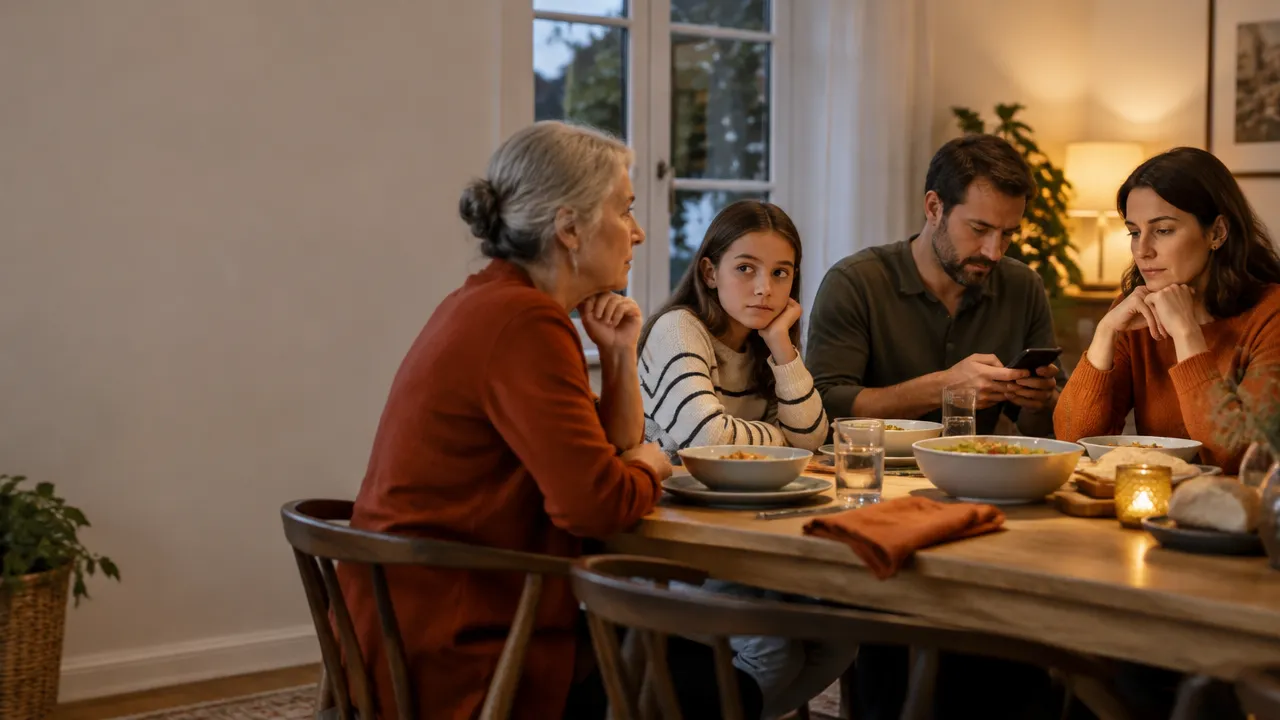
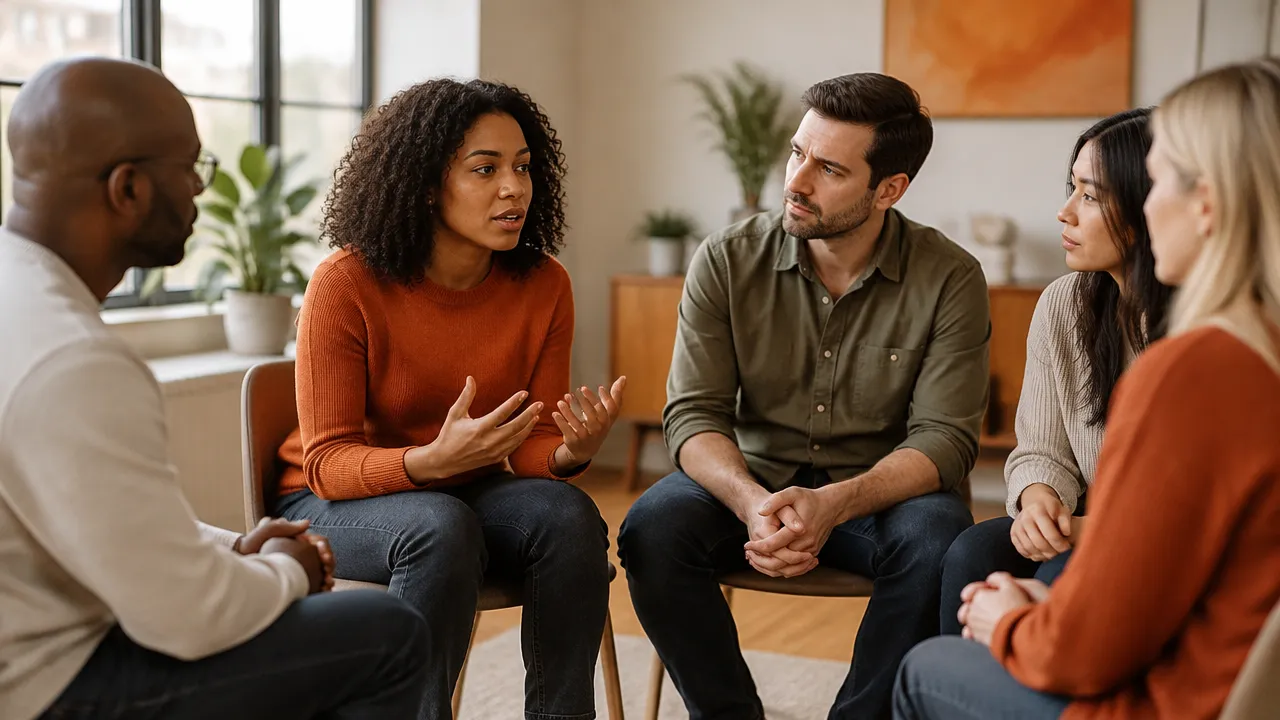
Mindful listening can help groups work through conflict by slowing reactive exchanges and making space for each person’s experience. It is useful for teams, families, and community groups when tension is clouding the issue or leaving people unheard. The aim is not forced agreement, but a clearer shared understanding and a responsible next step.
Key takeaways for listening through group conflict
- Listen to understand the speaker’s experience, not to prepare a rebuttal.
- Reflect back what you heard, then let the speaker correct your summary.
- Separate acknowledging impact from agreeing about intent or every detail.
- Use structure to prevent interruptions and make room for quieter voices.
- End with a concrete action, an owner, and a time to check progress.
Why does mindful listening change a group conflict?
Mindful listening changes the pace of conflict, giving people a chance to respond with awareness instead of escalating or shutting down. A group’s argument may appear to be about a decision, but members can also be reacting to exclusion, unequal responsibility, or older patterns of mistrust. Listening helps uncover those layers without assuming that one person’s interpretation is the whole truth.
This fits a deeper view of group dynamics: unresolved emotion can shape present-day behavior, even when no one names it. A group can explore those patterns without diagnosing one another, as described in this guide to reading patterns in group dynamics. The useful question is not “Who is the problem?” but “What is happening between us, and what needs attention now?”
Research offers a reason for care, but not a guarantee. A 2022 study of 153 adults in close relationships found mindfulness was associated with more dialogue and less conflict escalation and withdrawal. Because it studied close relationships rather than groups, apply the findings as a helpful signal, not proof that a listening exercise will resolve every team dispute. The study’s findings on mindfulness and conflict also underscore that correlation does not establish cause.
How can a group listen without confusing empathy with agreement?
Reflect the person’s experience before debating their interpretation. For example, a facilitator might say, “You felt excluded when the schedule changed without your input. Have I understood that?” This recognizes the impact while leaving room for others to explain what they intended or what they remember differently.
That distinction matters. Acknowledging someone’s experience is not the same as endorsing every claim, accepting blame for actions they did not take, or abandoning a necessary decision. Groups can hold multiple accounts at once, then check what is known, what remains uncertain, and what needs repair. Listening also does not replace accountability when someone has caused harm.
Notice your own response as you listen: tightening in the chest, rehearsing a defense, or feeling compelled to fix the issue immediately. A short pause can help you choose a curious question instead of an automatic counterattack. For groups where reactivity is a recurring obstacle, this practice can connect with understanding reactivity in group conversations.
A practical listening structure for tense group conversations
Use a clear sequence so listening does not depend on the most confident person setting the rules. Before discussion begins, agree on the issue, speaking order, time boundaries, and a pause signal. A neutral facilitator can help the group keep to the process, especially when participants have unequal authority or influence.
- Arrive: Take a quiet breath and name the decision or relationship issue the group needs to address.
- Speak in turns: Each person describes what they observed, its impact, and what they need, without interruption.
- Reflect and check: A listener summarizes the speaker’s point and asks what they missed. The speaker can clarify.
- Ask, do not assume: Use open questions such as, “What felt most important to you?” or “What would help restore trust?”
- Agree on action: Record what the group decided, who will do what, and when the group will review the outcome.
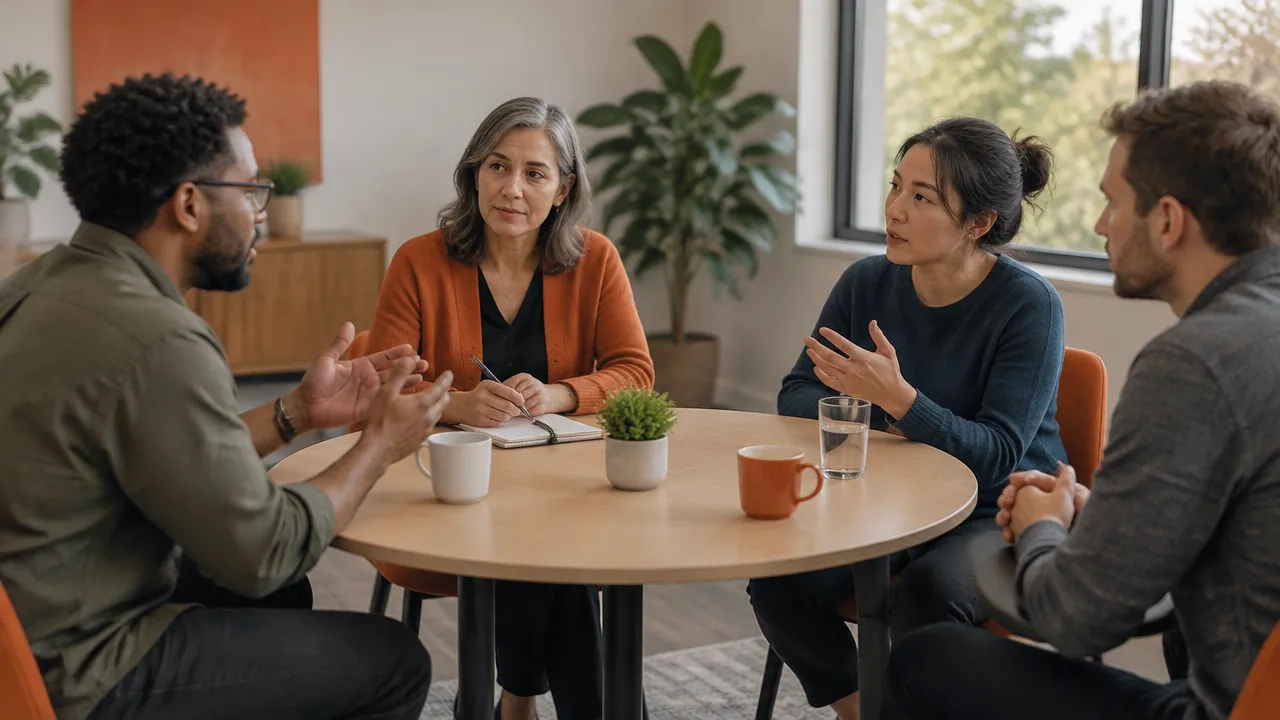
If one person repeatedly dominates, the facilitator can pause, restate the turn-taking agreement, and invite other perspectives without forcing anyone to disclose. If listening reveals threats, harassment, or an immediate safety concern, stop the exercise and use the appropriate safeguarding or reporting process. Dialogue is not a substitute for protection.
What does meaningful repair look like after the conversation?
Repair is visible in changed behavior, not just a calmer meeting. After the conversation, check whether the agreed action happened, whether the original concern has shifted, and whether anyone still feels excluded or unsafe. A brief follow-up prevents a group from mistaking temporary quiet for reconciliation.
Use specific, non-accusatory questions: “What changed after we adjusted the handoff?” or “Whose perspective have we not heard?” If a person needs to take responsibility, focus on the behavior and its impact rather than reducing them to a label. A responsibility-focused dialogue can help a group move from blame toward repair without minimizing harm.
Mindful listening is most useful when it is part of an ongoing way of relating, not a one-time technique used to make conflict disappear. Some disagreements remain unresolved, and some require a decision, mediation, or formal intervention. The practice still helps the group understand what is at stake and act with greater clarity and responsibility.
Frequently asked questions
What is the best way to resolve conflicts in a group?
The best way to resolve conflict in a group is to slow the exchange, hear each person’s account without interruption, and agree on the specific issue that needs attention. A facilitator can then help the group separate impact from intent, identify shared needs, and choose a clear next step with responsibility and a follow-up date.
Why is listening important when resolving conflict?
Listening matters because people can clarify what happened, what the impact was, and what they need before the group jumps to solutions. Reflecting back someone’s meaning also gives them a chance to correct misunderstandings. Listening does not require agreement, excuse harmful behavior, or replace decisions and accountability.
How can mindfulness be helpful for conflict resolution?
Mindfulness can help people notice defensiveness, urgency, or the impulse to interrupt before those reactions take over the conversation. A pause creates room to choose a response rather than retaliate or withdraw. In a group, shared turn-taking and reflective summaries make that presence more practical and equitable.
What are some effective techniques for resolving conflict?
Useful techniques include uninterrupted turns, reflective summaries, open questions, and a brief pause before responding. Ask each person to describe observable events, the impact, and what would help now. Then summarize areas of agreement and disagreement, assign a next step, and check back at an agreed time.
What can a group do when one person dominates the conversation?
A facilitator should respectfully pause the exchange, restate the turn-taking agreement, and invite people who have not spoken to contribute without pressuring them. If interruptions continue, use timed turns or a written check-in. When intimidation, harassment, or safety concerns arise, prioritize protection and formal support over dialogue.