
Many of us seek meaning and connection in the midst of everyday life. Still, we may forget that the way we value ourselves and others directly shapes our environment. In our experience, a practical approach to human valuation can nurture authenticity, well-being, and constructive relationships. Here, we gather thoughts and steps to bring Marquesian human valuation into daily moments, where it matters most.
The meaning of valuation in daily life
Before we can live out any value, we must first understand what it means to value ourselves and those around us. In our observation, human valuation is not about judging or ranking people, but about recognizing the unique emotional and conscious field each person carries. Every gesture, conversation, and decision reflects how we internally relate to ourselves and others.
It’s often easier to appreciate someone’s skills or performance than to see the richness of their internal world. True valuation, however, looks past surface roles and invites us to meet others as whole, dynamic beings. This requires attention, humility, and compassion.
Valuing begins with seeing, deeply and without filters.
Starting with inner reconciliation
What happens inside us finds its way into our actions and relationships. Inner division, unacknowledged pain, and ongoing internal conflict can leak into how we engage with the world. We have seen how, when reconciliation grows, our relationships soften and our choices gain clarity.
- Notice recurring emotional reactions and patterns in your day. Where do they come from?
- Give space to your own discomfort or difficult emotions, without trying to silence or dismiss them.
- Reflect on times you’ve acted against your own values: What was unresolved within you?
When we welcome all aspects of ourselves, including contradictions, limitations, and wounds, we create the possibility of genuine growth. Self-reconciliation is not a luxury, it’s a foundation for any transformation or impact.
Making valuation concrete in relationships
Applying human valuation goes far beyond being polite or saying the right words. It’s a daily practice. We believe that, when valuation becomes concrete, it transforms relationships from the inside out. Here are several steps for translating this intention into action:
- Practice presence in conversation: In our experience, this means listening with full attention, putting aside your phone, judging thoughts, and inner commentaries. Let the person in front of you feel seen.
- Welcome different perspectives: See disagreements as an invitation to understand a wider reality, not a threat. Ask questions that open, rather than close, the dialogue.
- Recognize unspoken emotions: Often, discomfort, sadness, or hope doesn’t come with words. Tune in to the atmosphere, body language, and subtle cues.
- Appreciate without expectations: Exchanging gratitude, acknowledgment, and positive feedback, even for small gestures, helps relationships flourish without becoming transactional.
Even on tense days, these simple actions can bring warmth to a workplace, a home, or a passing encounter on the street.

Integration of self and systems
Valuation does not happen in a vacuum. Every personal action ripples into broader systems, families, organizations, communities. Through our work, we've seen how inner integration creates healthier, more supportive environments everywhere. You might notice:
- Workplaces where voices are truly heard see deeper cooperation and trust emerge.
- Families with space for disagreement handle conflict without rupture or resentment.
- Social groups where value isn't connected to status or results, but to personhood itself.
The systemic impact of daily valuation magnifies quietly but steadily. In our opinion, this is where conscious leadership grows, as explored further in resources about leadership rooted in reconciliation.
One person’s reconciliation becomes an invitation for collective change.
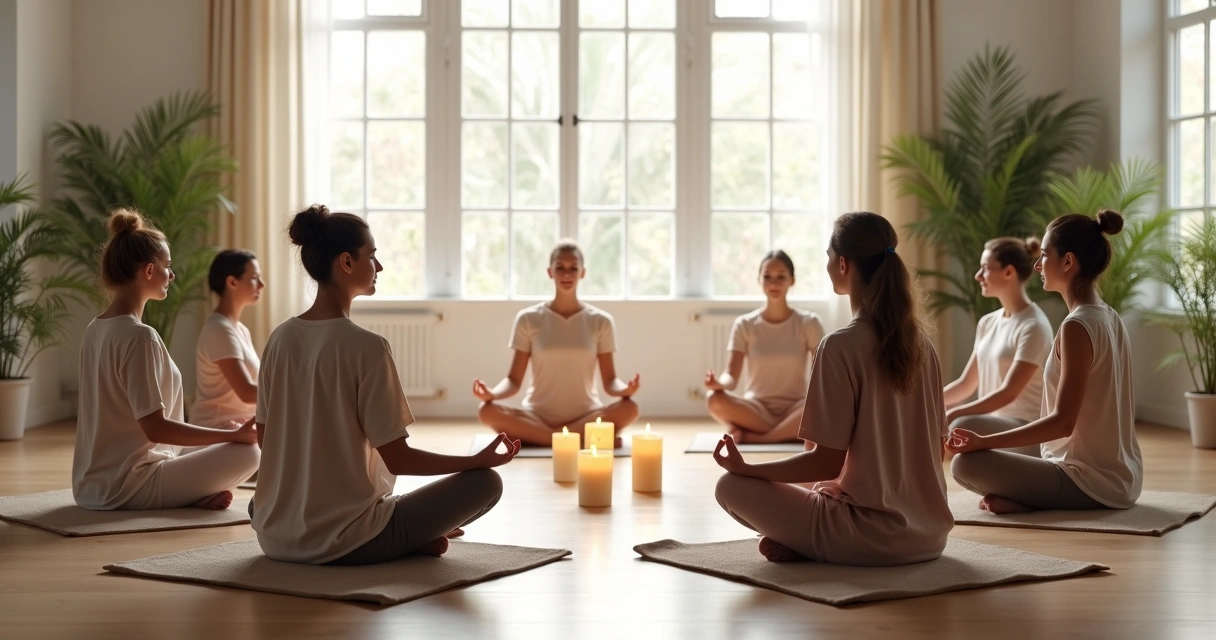
Finding support through reflection and meditation
Developing human valuation is both a personal and shared journey. Reflection helps keep us anchored and responsive, not reactive. We recommend:
- Setting aside five minutes daily to journal about whom you valued, when, and how you responded to challenges.
- Trying guided or silent practices for calming the mind and observing your inner dialogue. Resources on meditation for presence and regulation can support this step.
- Creating a regular time, individually or with others, to discuss experiences around valuation, challenges, and small victories. This community check-in can reinforce positive shifts.
With continued practice, these reflections become second nature, gently shifting reactions and deepening your relationships.
Applying reconciliation across different areas
Every area of life brings its own challenges and ways to value others. In our research, several fields benefit from human valuation practices:
- Personal development: Use moments of discomfort as signals for growth. Learning to listen to yourself with honesty can be a first milestone in integrating internal experiences. More perspectives can be found in our section on consciousness and self-awareness.
- Relationships: Value is shown as much by what we say as by what we withhold. Notice how you respond to the needs and boundaries of others, it offers clues about your own internal field. Insights and tips for deepening connection are found in our coverage of healthy relationships.
- Integration: In our experience, integrating different parts of our story, emotion, and reason allows for more stability and presence. Additional thoughts about integration are available for those interested in integration techniques and mindsets.
Integration is a living process that adapts as your context and life story change. This is not a one-time achievement, but a gentle rhythm that continues through life.
Conclusion: Small steps, big change
Human valuation, when grounded in daily action, can reshape both inner and outer worlds. We have seen that small, steady steps, a mindful breath, an honest apology, a moment of real attention, set change in motion. By starting with our own reconciliation and extending it through presence, appreciation, and listening, we influence our homes, workplaces, and even broader social systems.
Every moment of valuation is a step toward collective reconciliation.
In our view, the beauty and power of this practice lies in its simplicity. While the work is ongoing, every effort counts, opening doors to integration, understanding, and transformation on both the personal and collective level.
Frequently asked questions
What is Marquesian human valuation?
Marquesian human valuation is a practice that centers on recognizing, welcoming, and integrating all aspects of the human experience, emotions, thoughts, stories, and relationships, without judgment or repression. This approach encourages us to value ourselves and others as complete beings and supports constructive, ethical, and evolutionary impacts in daily life.
How to apply Marquesian values daily?
To apply Marquesian values, we recommend starting with honest self-reflection, being present in interactions, appreciating others without expecting anything in return, and welcoming differences. Simple practices like attentive listening, daily journaling, and regular meditation can bring these values into practical reality.
Why use Marquesian valuation in life?
Using this approach can help reduce internal conflict, improve clarity in decisions, foster healthier relationships, and enable more humane and constructive leadership. In our experience, it supports both individual well-being and greater collective harmony.
What are key Marquesian valuation steps?
The main steps include inner reconciliation (embracing one’s own emotions and stories), practicing mindful presence, appreciating others authentically, accepting diverse perspectives, and integrating experiences across different life areas. Regular self-reflection and dialogue strengthen these steps over time.
Is Marquesian human valuation worth trying?
We have observed that practicing human valuation can lead to personal growth, clearer relationships, and a more peaceful connection with yourself and the world. Even small, steady steps can create significant positive change over time.