No lasting change happens outside until something shifts within. We have often noticed that moments of self-reconciliation, though subtle, can generate a new sense of clarity and peace in our daily interactions. Instead of waiting for large breakthroughs, we believe regular micro-practices can gently open the door to a deeper understanding of ourselves. These tiny steps, done with intention, gradually foster integration, compassion, and connection.
Below, we share twelve micro-practices that can be part of your day—each takes only a few moments but carries the seed of meaningful transformation.
Why micro-practices matter for self-reconciliation
Micro-practices work because they fit seamlessly into the natural rhythm of life. Their simplicity makes them accessible, while their repetition deepens their effect. Over time, small daily actions help us move from automatic reactions to more conscious responses. We see this as the groundwork for a more integrated, fulfilling life.
If you have ever felt stuck in patterns of inner conflict, you are not alone. Our experience suggests that the journey towards wholeness does not require grand gestures so much as gentle, steady commitment.
The 12 daily micro-practices
We have organized the practices in an easy, unordered list; the order matters less than the intention and consistency with which you practice:
- Intentional breathing check-in:
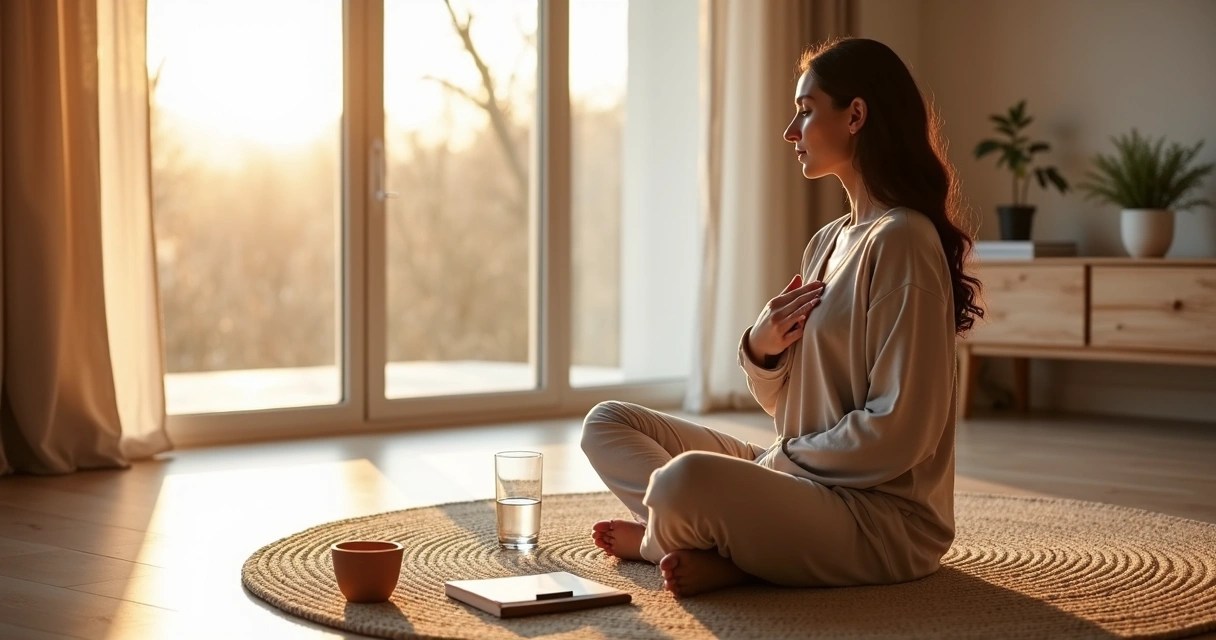
Once a day, pause for one minute. Place your hand on your chest and notice your breath. Are you breathing fast, slow, shallow, deep? This small moment grounds you and tunes you into your inner state.
- Name your emotion:
At least once during your day, try to label the emotion you are feeling—without judgement. Whether it is joy, irritation, or sadness, naming creates space for acceptance.
- Micro-self-compassion phrase:
Say to yourself in your mind: “I am human, and this feeling is welcome.” This short phrase interrupts negative self-talk and opens space for kindness.
- Five senses pause:
Pick a time when you feel scattered and scan what you can see, hear, touch, taste, and smell. This anchors you in the present and reminds you that you exist beyond your thoughts.
- Micro-journaling:
Write down a single line each night describing what touched you emotionally that day. The act is more important than the content.
- Guilt-to-growth reframing:
If you catch yourself feeling regret or guilt, pause and ask: “What can I learn from this experience?” This reframes pain as a message, not a verdict.
- Gentle “No” practice:
Sometime during your day, consciously say “no” to something small that does not feel right. Even declining another social scroll or an extra task counts. This is your boundary in action.
- Silent gratitude recognition:
Pick one ordinary thing—warm sunlight, a meal, a text from a friend—and silently offer thanks. This trains your mind to notice abundance, not just lack.
- Body scan for tension:
Take thirty seconds to notice any physical stress in your jaw, shoulders, or hands. Relax each area as you breathe out. Releasing tension from the body soothes the mind too.
- Stop, feel, accept mini-meditation:
When reactivity rises, silently say: “Stop.” Then, allow the feeling to surface. Finally, accept that the feeling is part of your current experience. This micro-meditation softens inner resistance.
- Kind inner dialogue:
For every inner criticism, offer a gentle balancing thought: “I am learning,” or “It’s okay to make mistakes.” This creates a loop of encouragement instead of self-attack.
- Connection microact:
Each day, look someone in the eye—even briefly—and greet them with sincerity. Building genuine, small moments of connection with others reflects our growing self-acceptance inside.
Micro-practices seed quiet revolutions within.
Bringing micro-practices into daily life
It can be tempting to try all twelve at once. In our experience, consistency beats quantity. Choose one or two to practice at first. Pair them with daily routines, like brushing your teeth or making coffee. The goal is not perfection, but regularity. Notice how your inner world feels after a week, then add others as space opens up.

The heart of self-reconciliation is meeting ourselves as we are: nothing rejected, nothing exaggerated. These micro-practices, though quiet, begin weaving integration through our day. Through small moments, we stop fighting inner battles and start listening for a deeper truth.
Supporting your journey with questions
By integrating micro-practices, we gently loosen patterns of reactivity and step closer to what can be called true self-integration. Sometimes, it helps to pause and ask:
- What am I feeling right now, and where do I feel it?
- Is there a part of me I have ignored today?
- What gesture of kindness can I offer myself right now?
With gentle curiosity, these questions keep our process alive and dynamic. Linking practices with reflective questions nurtures awareness and opens fresh perspectives.
Where micro-practices meet the bigger picture
We often see people wanting to change relationships, workplaces, or even society itself. Yet all deep change starts with how we treat ourselves. If you are curious how this connects with emotional integration, you may find our articles on consciousness and integration helpful. For those drawn to a deeper pause, our space on meditation offers guided practices to deepen your experience. And if relationships echo your inner journey, our writing on relationships may also inspire reflection.
For those wanting to see more practical tips and related reflections, a simple search for self-reconciliation can lead to further resources and ideas. There is so much to discover, and often, the smallest step unlocks unexpected growth.

Conclusion
The power of daily micro-practices lies not in immediate transformation, but in the gradual harmony they create within. We have seen how even small gestures of self-acceptance and presence ripple outwards—shaping not only how we meet ourselves, but how we touch the world around us.
If there is one thing we have learned, it is this: self-reconciliation is not a destination, but a daily invitation. Through gentle repetition, honesty, and care, the scattered pieces find their place. The result is subtle, but unmistakable—the feeling of coming home to ourselves, over and over, in the middle of ordinary life.
Frequently asked questions about daily micro-practices for self-reconciliation
What is self-reconciliation?
Self-reconciliation is the process of bringing together the different parts of ourselves—thoughts, emotions, stories, and memories—into a more harmonious and understanding relationship. Instead of fighting internal conflicts, self-reconciliation means building compassion and acceptance for every part of our experience. It’s not about ignoring pain, but learning from it, and letting it become part of a larger, integrated self.
How can I start micro-practices?
The best way to begin is by choosing one or two micro-practices that feel easiest to remember. Pair them with something you already do every day, like making coffee or brushing your teeth. For example, you might start with an intentional breathing check-in each morning. This gentle approach builds a habit without overwhelming you.
Are daily micro-practices effective?
Yes, daily micro-practices are effective because their regular repetition slowly builds new patterns of awareness, acceptance, and self-compassion. While each practice is small, over time they influence how we respond to challenges, relate to others, and care for ourselves. The key is consistency, not perfection.
How long do micro-practices take?
Most micro-practices take between thirty seconds and two minutes. Since they are integrated into existing routines, they do not require dedicated time set aside. A single pause, a gentle phrase, or a moment of mindful breath can fit smoothly into busy days, making them sustainable for the long term.
What are examples of micro-practices?
Examples of micro-practices include a one-minute breathing check-in, naming your emotion, micro-journaling a touched moment each night, a silent gratitude recognition, and a thirty-second body scan for tension. These practices are simple yet potent ways to reconnect with yourself, and each can support your journey toward peaceful self-integration.